Economy
Federal and Ontario Governments Slashing Development Charges in Massive Housing Push
Ontario and the federal government announce a 50% cut to development charges to stimulate housing starts and improve affordability for new homebuyers.


A Major Shift in Housing Affordability Policy
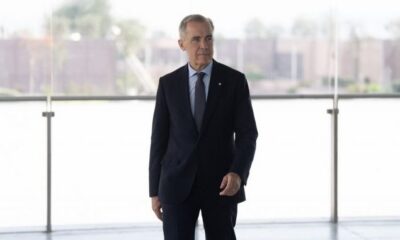
In a significant collaborative effort to address Canada’s housing crisis, Prime Minister Mark Carney and Ontario Premier Doug Ford are set to announce a landmark deal to reduce municipal development charges by up to 50 per cent across the province. The announcement, expected Monday in the Greater Toronto Area, represents a direct attempt by both levels of government to remove financial barriers that have long stifled residential construction. This move follows a previous joint agreement to lift the 13 per cent HST on the first $1 million of the cost of newly built homes, signaling a concerted effort to lower the entry price for first-time buyers.
Tackling the Cost of Construction
Development charges are fees levied by municipalities on developers to fund the infrastructure required for new growth, such as roads, water mains, and sewage systems. While necessary for urban expansion, these charges can add tens of thousands of dollars to the price of a single dwelling, making many projects financially unviable in the current economic climate. By cutting these fees in half, the government hopes to jumpstart building activity and get the province back on track toward its ambitious goal of 1.5 million new homes over the next decade.
Federal Funding and the Build Communities Strong Fund
The federal government will utilize the Build Communities Strong Fund to facilitate these cuts. This $51-billion infrastructure initiative, established in last November’s budget, includes a specific stream designed to provide matching funds to provinces that help municipalities reduce their development levies. By providing this financial backstop, the federal government aims to mitigate the immediate revenue loss for cities, though the long-term impact on municipal budgets remains a point of contention.
The Municipal Financial Dilemma
Despite the potential for increased housing supply, municipal leaders have expressed deep concern regarding the funding gap created by these cuts. The Association of Municipalities of Ontario (AMO) previously warned that without full replacement of this revenue, property taxes for existing homeowners could rise by an average of 20 per cent. Critics argue that while the policy lowers costs for new buyers, it essentially shifts the financial burden of infrastructure from developers to the broader taxpayer base, sparking a debate over the sustainability of local government financing.








Economy
Global Energy Markets Brace as Iran Threatens Trade Routes Amid US Military Strikes
Iran threatens to block the Strait of Hormuz and other trade routes following fresh US military strikes, causing oil prices to surge amid rising tensions.

Heightened Tensions in the Strait of Hormuz
The geopolitical landscape in the Middle East has reached a critical boiling point as Iran threatens to shutter vital global trade routes in response to a series of fresh military strikes by the United States. Iran’s Revolutionary Guard Corps (IRGC) announced that the Strait of Hormuz would remain closed until the U.S. ceases what Tehran characterizes as “acts of aggression.” This escalation marks a significant breakdown in regional stability, with Iranian officials further warning that other oil and gas export channels could also face disruption if American military operations continue.
US Military Operations and Strategic Response
U.S. Central Command (Centcom) confirmed a series of air, sea, and drone strikes targeting Iranian military assets on Wednesday morning. These operations followed a sustained seven-hour mission overnight designed to degrade Iran’s ability to interfere with commercial shipping in the region. President Donald Trump has intensified the pressure, vowing to target Iran’s civilian infrastructure, including bridges and power plants, should the nation refuse to return to the negotiating table. While these threats have drawn criticism from international bodies regarding potential violations of international law, the U.S. administration maintains a hardline stance to protect maritime commerce.
Economic Fallout and the Collapse of Diplomacy
The immediate impact of the hostilities has been felt across global markets, with oil prices experiencing a sharp surge as tanker traffic through the Strait of Hormuz—a conduit for a significant portion of the world’s petroleum—has virtually stalled. The situation is further complicated by the reinstatement of a U.S. naval blockade on Iranian ports, effectively nullifying a memorandum of understanding reached just last month that had briefly lowered tensions. As diplomatic efforts falter, the IRGC has signaled it will target “other oil and gas export routes” that serve U.S. interests, raising fears of a broader maritime conflict that could paralyze international energy supplies.
Economy
Global Energy Markets Brace as Iran Threatens Trade Routes Amid US Military Strikes
Iran threatens to block the Strait of Hormuz and other trade routes following fresh US military strikes, causing oil prices to surge amid rising tensions.
Heightened Tensions in the Strait of Hormuz
The geopolitical landscape in the Middle East has reached a critical boiling point as Iran threatens to shutter vital global trade routes in response to a series of fresh military strikes by the United States. Iran’s Revolutionary Guard Corps (IRGC) announced that the Strait of Hormuz would remain closed until the U.S. ceases what Tehran characterizes as “acts of aggression.” This escalation marks a significant breakdown in regional stability, with Iranian officials further warning that other oil and gas export channels could also face disruption if American military operations continue.
US Military Operations and Strategic Response
U.S. Central Command (Centcom) confirmed a series of air, sea, and drone strikes targeting Iranian military assets on Wednesday morning. These operations followed a sustained seven-hour mission overnight designed to degrade Iran’s ability to interfere with commercial shipping in the region. President Donald Trump has intensified the pressure, vowing to target Iran’s civilian infrastructure, including bridges and power plants, should the nation refuse to return to the negotiating table. While these threats have drawn criticism from international bodies regarding potential violations of international law, the U.S. administration maintains a hardline stance to protect maritime commerce.
Economic Fallout and the Collapse of Diplomacy
The immediate impact of the hostilities has been felt across global markets, with oil prices experiencing a sharp surge as tanker traffic through the Strait of Hormuz—a conduit for a significant portion of the world’s petroleum—has virtually stalled. The situation is further complicated by the reinstatement of a U.S. naval blockade on Iranian ports, effectively nullifying a memorandum of understanding reached just last month that had briefly lowered tensions. As diplomatic efforts falter, the IRGC has signaled it will target “other oil and gas export routes” that serve U.S. interests, raising fears of a broader maritime conflict that could paralyze international energy supplies.
Economy
Ottawa Defends Deficit Spending as Bridge to Future Economic Growth
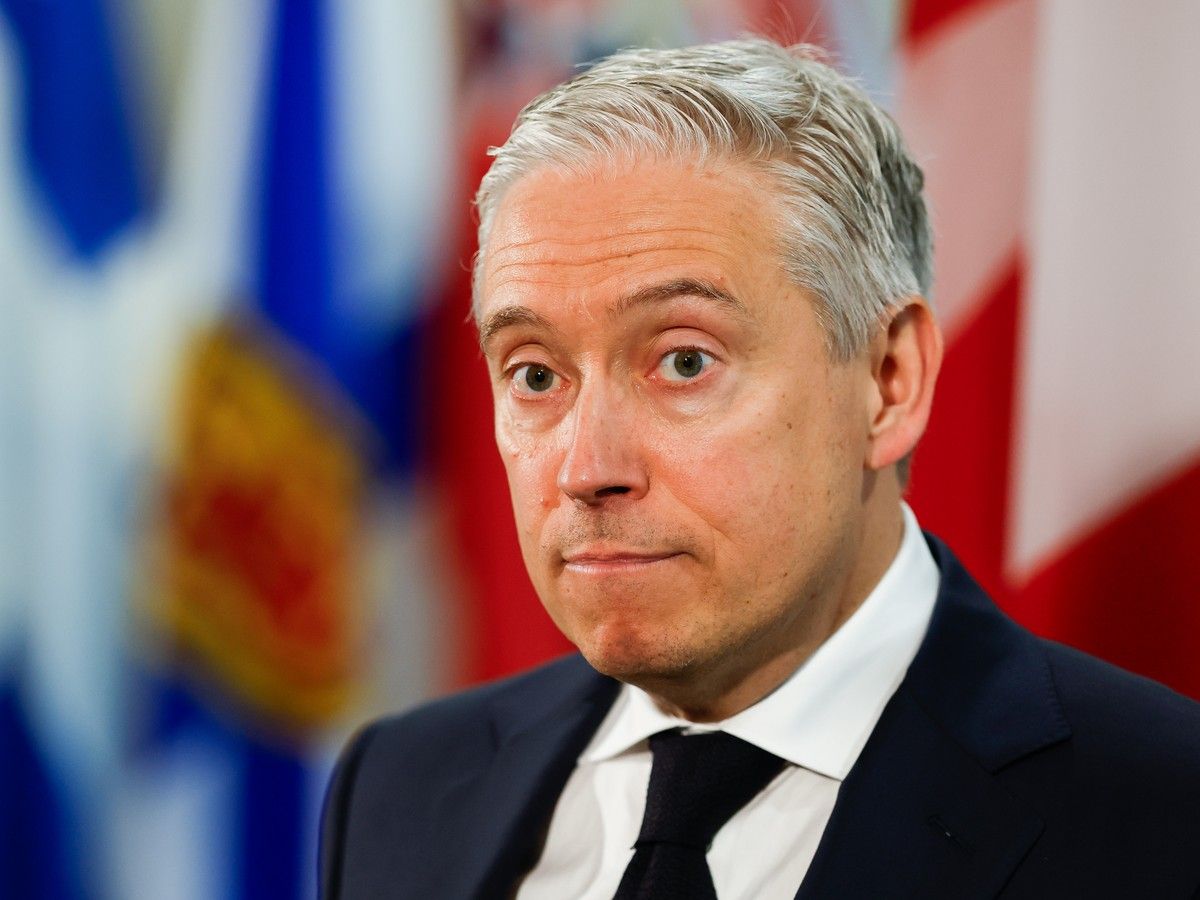
Finance Minister François-Philippe Champagne defends Canada’s deficit spending, citing G7 fiscal strength and future growth plans amid economist skepticism.
Fiscal Strategy vs. Growing Debt Concerns
The federal government is doubling down on its high-spending agenda, signaling that it will rely on projected economic growth to offset significant new expenditures. Speaking in Ottawa ahead of pre-budget consultations, Finance Minister François-Philippe Champagne defended the government’s fiscal trajectory, arguing that strategic investments are necessary to stimulate the national economy despite the reality of rising deficits.
Champagne emphasized that Canada maintains the strongest fiscal position among G7 nations, a metric the government frequently cites to justify increased borrowing. According to the Minister, the current spending focuses on areas that will eventually yield higher productivity and innovation, which he believes will stabilize the country’s debt-to-GDP ratio in the long term.
Skepticism Among Economic Experts
Despite the government’s optimism, many economists remain wary of the reliance on future growth to pay for today’s debts. Don Drummond, a former high-ranking official at the Department of Finance and former TD Bank chief economist, warned that the government may be resting its projections on overly optimistic forecasts. Drummond noted that the assumption of imminent growth mirrors the fiscal mistakes made between the mid-1970s and 1990s, which led to a prolonged period of economic vulnerability.
Critics also point to external threats, such as potential shifts in American trade policy and rising tariffs, which could stifle the growth Ottawa is counting on. While the government has proposed removing interprovincial trade barriers and leveraging defense procurement to spark innovation, analysts argue these measures are unlikely to provide the immediate financial relief needed to cover high-cost projects.
The Road to the Next Federal Budget
The official pre-budget consultation period is now underway, with the government inviting business leaders, think tanks, and the general public to submit their priorities. While the online portal remains open until September 8, the debate over Canada’s fiscal health is intensifying. As the government prepares its next financial roadmap, the central challenge remains balancing the desire for transformative public investment with the necessity of fiscal sustainability in an increasingly volatile global market.

Why the Early Election Gamble Backfired on the NDP

Why Fake Signs Targeted a Small Green Party Campaign on B.C. Election Eve

Why the Conservatives’ Majority Win in Kelowna-Mission Signals Big Changes for Local Healthcare and Economy

Why B.C.’s Latest Election Results Are Sparking Renewed Calls for Voting Reform
Your Current 3 Day Forecast — October 27, 2026
Why First Nations Leaders Are Gathering in Ottawa to Push Back on Fast-Tracked Resource Projects

Opinion: John Rustad Has to Go

B.C. Supreme Court Grants Cowichan Tribes Title to Historic Richmond Lands and Fishing Rights

Vancouver Canucks Gear Up for a Make-or-Break 2025–26 Season

BC Ferries Sparks Outcry Over Contract with Chinese Shipyard

Kamloops Blazers Announce Off-Season Changes Ahead of 2025–26 Season

A Taste of Autumn: Fall Okanagan Wine Festival 2025
-

 SPORTS5 days ago
Why B.C. Lions Starters Are Resting as the Regular Season Concludes Against Winnipeg
-
 BC STORIES5 days ago
BC Conservatives Promise Forestry Overhaul to Revive Jobs as NDP Points to Millions in Existing Investment
-

 OPINIONS5 days ago
How Minor Parties and Strategic Balloting Could Shift the Upcoming B.C. Election
-

 BC STORIES6 days ago
Police Seek Witnesses After Fatal Wrong-Way Collision Near Merritt
-
5 days ago
Your Current 3 Day Forecast — October 22, 2026
-
6 days ago
Your Current 3 Day Forecast — October 21, 2026
-
NATIONAL STORIES6 days ago
Highland Valley Copper Workers Could Strike Saturday as Union Issues Notice
-

 HEALTH6 days ago
Coquihalla Highway Reopens Near Merritt Following Morning Crash That Injured Four