Hockey
Lightning Strike Back: Tampa Bay Evens Series in Physical Game 4 Duel
The Tampa Bay Lightning evened their playoff series against the Montreal Canadiens with a gritty 3-2 win in Game 4. Read the full analysis of the physical battle.


A Series of Attrition: Physicality Takes Center Stage
In a postseason where every inch of ice is earned through sweat and contact, Game 4 between the Montreal Canadiens and the Tampa Bay Lightning served as a masterclass in playoff intensity. While Montreal entered the night hoping to take a commanding series lead, the Lightning responded with a veteran composure, securing a 3-2 victory to even the best-of-seven series at two games apiece. The contest was defined by a brutal physical toll, as both teams adopted a ‘pound the defense’ mentality to wear down their opponents.
The Power of the Forecheck
Montreal’s strategy leaned heavily on the physicality of Josh Anderson and Arber Xhekaj. Throughout the first period, the duo made life difficult for the Lightning blue line, delivering thunderous checks designed to diminish Tampa Bay’s stamina over the long haul. This relentless pressure eventually paid off in the second period when the Canadiens’ depth scoring ignited. Zachary Bolduc opened the scoring for Montreal following a precision passing play from Kaiden Guhle and Alexandre Texier, while Cole Caufield added a power-play marker thanks to a brilliant back-door feed from captain Nick Suzuki.
Hutson Shines Amidst the Chaos
Despite the loss, Montreal defenseman Lane Hutson continued his historic playoff run. With an assist on Caufield’s goal, Hutson now boasts nine points in nine playoff games. His ability to dictate the pace of the game and navigate defensive responsibilities with poise has made him a focal point of the Canadiens’ strategy. However, the momentum shifted when Juraj Slafkovsky was leveled by a massive mid-ice hit from Max Crozier. While Slafkovsky avoided a concussion, the physical toll on Montreal’s roster began to mount, with both he and Anderson requiring medical attention during the game.
A Fluke Finish and the Road Ahead
The deciding factor in the contest was as unpredictable as the sport itself. After a heroic five-on-three penalty kill by Montreal, the Lightning found the back of the net on a fortunate bounce. A hopeful shot from Nikita Kucherov deflected off Brandon Hagel—who appeared unaware the puck was even in flight—and past Jakub Dobes. This lucky strike proved to be the winner, shifting the series back to Tampa for a pivotal Game 5. As the series transitions to a best-of-three, the health of Montreal’s power forwards and the Lightning’s home-ice advantage will likely dictate who moves on to the next round.

Hockey
Front Office Shakeup: Toronto Maple Leafs Part Ways with Legend Hayley Wickenheiser
The Toronto Maple Leafs have parted ways with Assistant General Manager Hayley Wickenheiser as part of a massive front office overhaul under GM John Chayka.

End of an Era in Toronto Hockey Operations
In a significant shift within the Toronto Maple Leafs’ front office, the organization has officially parted ways with Assistant General Manager Hayley Wickenheiser. The Hockey Hall of Famer confirmed her departure on Thursday, marking the end of an eight-season tenure with the storied franchise. Wickenheiser originally joined the club in 2018 under former GM Kyle Dubas and had risen through the ranks to become a pivotal figure in player development and hockey operations.
A Strategic Overhaul Under New Leadership
The move comes as part of a sweeping reconstruction of the team’s executive suite led by new General Manager John Chayka. While Wickenheiser expressed pride in her accomplishments—including overseeing the recent development camp featuring top prospect Gavin McKenna—she indicated that the new leadership group envisioned a different direction for the franchise. In a personal statement, Wickenheiser thanked the coaches, players, and management she worked with since 2018, noting that she looks forward to her next chapter in the game.
Broad Changes Across the Organization
Wickenheiser is not the only high-profile departure this week. Chayka’s restructuring has led to more than a dozen personnel changes, signaling a total philosophical shift in Toronto. Other notable exits include Director of Amateur Scouting Mark Leach, Senior Advisor Dave Morrison, and AGM of Hockey Research and Development Darryl Metcalf. These moves follow the previous departures of Brandon Pridham and Derek Clancey, leaving no doubt that the Maple Leafs are entering a completely new era of management.
A Legacy Beyond the Front Office
Before her executive career, Wickenheiser cemented her status as one of the greatest athletes in Canadian history. A four-time Olympic gold medalist and Canada’s all-time leading international scorer, she successfully transitioned from the ice to the boardroom while also earning a medical degree. Her presence in the Maple Leafs’ front office was seen as a landmark for women in professional hockey, and her departure leaves a significant void in the team’s player development hierarchy as they head into a critical off-season.
Hockey
Maple Leafs Secure Top Pick as NHL Reveals Official 2026 Draft Order
The NHL has released the official selection order for the 2026 Draft in Buffalo. Toronto Maple Leafs and San Jose Sharks lead the first round on June 26.
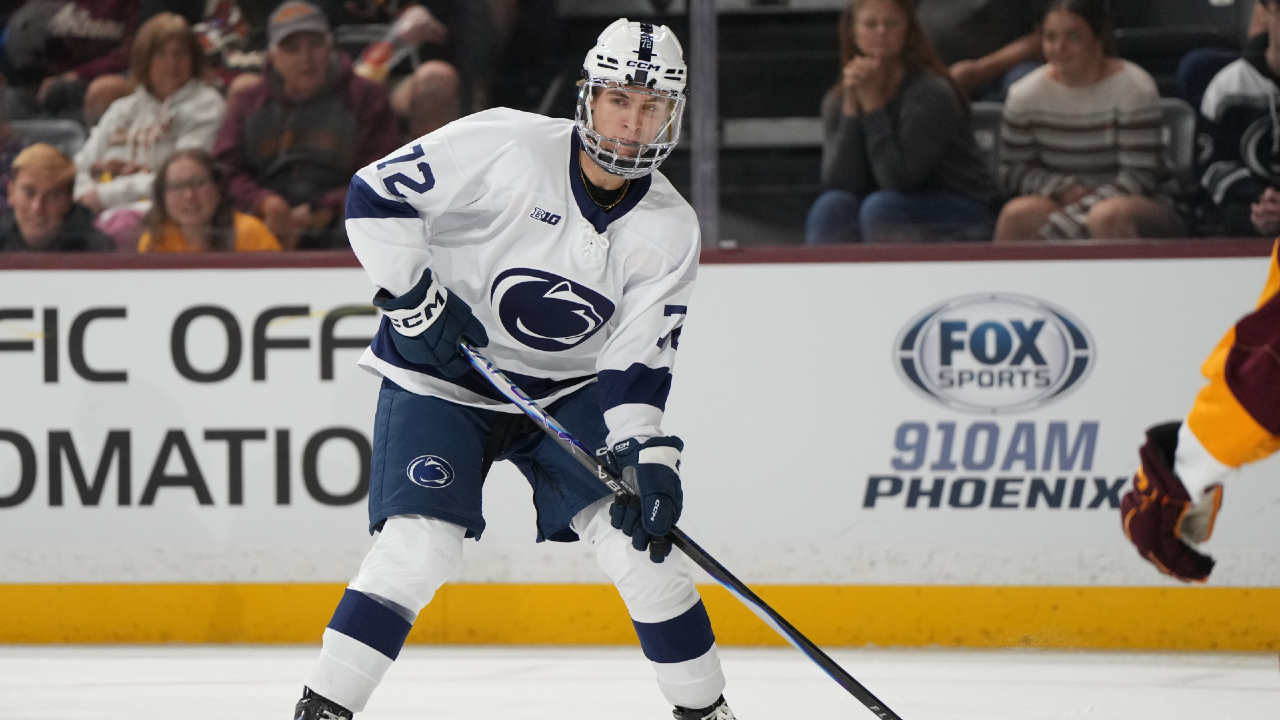
The Road to Buffalo: NHL Sets the Stage for 2026 Prospect Harvest
With the Stanley Cup celebration still fresh in the minds of hockey fans, the National Hockey League has officially pivoted to the future. On Thursday, the league released the full seven-round selection order for the upcoming 2026 NHL Draft, scheduled to take place on June 26-27 at the KeyBank Center in Buffalo. This transition marks the end of the championship cycle and the beginning of a high-stakes offseason where franchises look to rebuild or reinforce their rosters through youth.
Toronto and San Jose Lead the Pack
The Toronto Maple Leafs are slated to take center stage after winning the draft lottery last month, securing the first-overall selection. They are followed closely by the San Jose Sharks at number two. The Vancouver Canucks, who endured a difficult campaign and finished at the bottom of the league standings, will round out the top three. These three picks are expected to be foundational pieces for their respective clubs as they look to turn their fortunes around in a competitive league landscape.
Strategic Shifts and Forfeited Assets
One of the most notable aspects of the 2026 draft order is the sheer volume of traded picks, particularly in the later rounds. The St. Louis Blues and Calgary Flames are among the teams entering the draft with significant capital, owning multiple selections in the early rounds due to various trade deadline deals. Conversely, the Vegas Golden Knights find themselves in a rare position, having forfeited their second-round pick (63rd overall) due to a violation of Stanley Cup Playoffs media obligations involving former coach John Tortorella.
Draft Schedule and Broadcast Information
The first round of the draft is set to begin at 7 p.m. ET on Friday, June 26, and will be broadcast live on Sportsnet and Sportsnet+. This prime-time event will see the top 32 prospects find their NHL homes. The following day, June 27, will cover Rounds 2 through 7, where scouting departments earn their keep by identifying diamonds in the rough. For many teams, these selections represent the culmination of years of scouting and the hope of a brighter competitive future.
Hockey
NHLPA Demands Investigation Resumes as Oilers Eye Mike Babcock for Potential Role
The NHLPA requests the NHL resume an investigation into Mike Babcock’s privacy invasion allegations as the Edmonton Oilers consider hiring the veteran coach.

Renewed Scrutiny Over Babcock’s Past Actions
The National Hockey League Players’ Association (NHLPA) has formally requested that the NHL move forward with a stalled investigation into allegations surrounding Mike Babcock’s conduct during his brief tenure with the Columbus Blue Jackets. According to TSN Hockey Insider Darren Dreger, the move comes as the Edmonton Oilers explore the possibility of bringing the veteran coach into their organization.
The controversy stems from July 2023, when Babcock was hired to lead the Blue Jackets. His return to the league was cut short before training camp even began following reports that he had requested players to share private photos from their mobile devices—a practice many viewed as a significant invasion of privacy and a breach of professional boundaries. The subsequent fallout led to Babcock’s resignation before he ever coached a game for Columbus.
The Oilers’ Interest Triggers League Action
The Edmonton Oilers are currently consulting with the NHLPA to determine if there are unresolved objections that could impede a potential hire. While the Oilers have not officially announced a role for Babcock, the league is reportedly waiting for a formal notification from the team regarding their plans. If Edmonton decides to proceed, the NHL will activate the investigation requested by the NHLPA to ensure full accountability for the events in Columbus.
A Legacy Defined by Triumphs and Controversy
Mike Babcock remains one of the most decorated coaches in hockey history, boasting 700 career regular-season wins and an elite international resume that includes two Olympic gold medals and a World Cup of Hockey title. However, his coaching style and treatment of players have faced intense criticism in recent years, leading to a polarizing reputation across the league.
As the Oilers weigh the benefits of Babcock’s tactical expertise against the potential backlash and ongoing investigation, the NHLPA’s stance makes it clear that the player union is committed to protecting the privacy and rights of its members. The outcome of this investigation could determine whether one of the game’s most successful coaches will ever return to an NHL bench.

A 1970 Orca Escape Led to 13 Wild Calves — Now an Author Is Searching for the Person Who Freed Them

Why Okanagan Residents Are Being Urged to Rethink Water Use and Waste as Droughts Worsen

Why Are we Being Urged to Rethink Water Use and Waste as Droughts Worsen

Canada’s Conservative Influencers Are Fighting for the Future of the Movement
Clock Ticks Toward Midnight Tariffs as Canada-U.S. Trade Talks Reach Critical Stage
Unused Launchers Expose Ukraine’s Severe Patriot Missile Shortage

Opinion: John Rustad Has to Go

B.C. Supreme Court Grants Cowichan Tribes Title to Historic Richmond Lands and Fishing Rights

Vancouver Canucks Gear Up for a Make-or-Break 2025–26 Season

Kamloops Blazers Announce Off-Season Changes Ahead of 2025–26 Season

BC Ferries Sparks Outcry Over Contract with Chinese Shipyard

A Taste of Autumn: Fall Okanagan Wine Festival 2025
-
 LOCAL2 days ago
Residents told to prepare for return home as fire crews make progress on Quilpituk Creek blaze
-
 OPINIONS2 days ago
Canada’s Conservative Influencers Are Fighting for the Future of the Movement
-
WORLD2 days ago
Unused Launchers Expose Ukraine’s Severe Patriot Missile Shortage
-
 BC STORIES2 days ago
How Enjoying an Ice Cream Treat Today Helps BC Children’s Hospital
-
 BC STORIES2 days ago
What Residents and Boaters Need to Know as Crews Target Bradley Creek Wildfire Hot Spots
-
 BC STORIES2 days ago
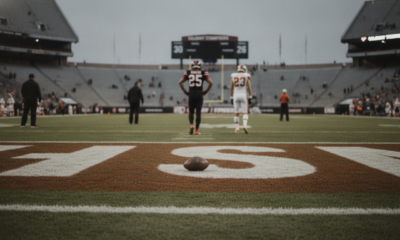
BC Lions Extend Winning Streak to Three After Thrilling Fourth-Quarter Comeback Against Stampeders
-
NATIONAL STORIES2 days ago
Clock Ticks Toward Midnight Tariffs as Canada-U.S. Trade Talks Reach Critical Stage
-
 COMMUNITY2 days ago
Why Are we Being Urged to Rethink Water Use and Waste as Droughts Worsen