energy
A Geopolitical Shift: Canada and Germany Strike Landmark 20-Year LNG Export Deal
Canada and Germany ink a 20-year LNG deal through BC’s Ksi Lisims project, signaling a new era of energy security, national unity, and economic growth.


A Strategic Alliance Amid Global Instability
In a significant pivot for Canadian energy policy, Natural Resources Minister Tim Hodgson has announced a major agreement between the upcoming Ksi Lisims LNG project in British Columbia and Germany’s state-owned utility, SEFE. The deal, which involves the export of approximately one million tonnes of liquefied natural gas (LNG) annually, marks a turning point in Canada’s willingness to support European energy security following years of federal hesitation.
The Logistics of the Triple Win
The agreement outlines a 20-year commitment starting in the early 2030s. Interestingly, the deal utilizes a displacement model: Alberta-sourced gas will be shipped from the Ksi Lisims floating terminal—a partnership involving the Nisga’a Nation—to Asian markets. This, in turn, frees up global supplies to be redirected to Germany. This arrangement allows Canada to bypass East Coast infrastructure hurdles while still providing the democratic world with a reliable alternative to Russian and Middle Eastern energy sources.
Repairing Economic and Diplomatic Ties
For Germany, the deal offers a buffer against the volatility of the Middle East and the remnants of its dependence on Russian gas. For Canada, the benefits are multi-faceted. Economically, the price disparity between North American and European markets presents a massive opportunity; gas selling for $3 to $4 locally can command significantly higher prices abroad, benefiting both the federal coffers and the Albertan economy.
Strengthening National Unity
Beyond economics, the deal serves as a crucial olive branch to Western Canada. After years of regulatory hurdles that stymied resource investment, this project demonstrates that Confederation can still deliver wins for Alberta. However, experts note that while this is a positive first step, the one million tonnes represent only a fraction of Germany’s needs. To truly capitalize on its status as a middle power, Canada may need to pursue further regulatory reforms to accelerate the approval of critical mineral and energy infrastructure.

Economy
Nation-Building or Overreach? Carney Defends Pipeline Vision Amid B.C. Backlash
PM Mark Carney defends his pipeline and nation-building agenda in B.C. despite criticism from Premier David Eby over the Alberta implementation agreement.
The Quest for Momentum
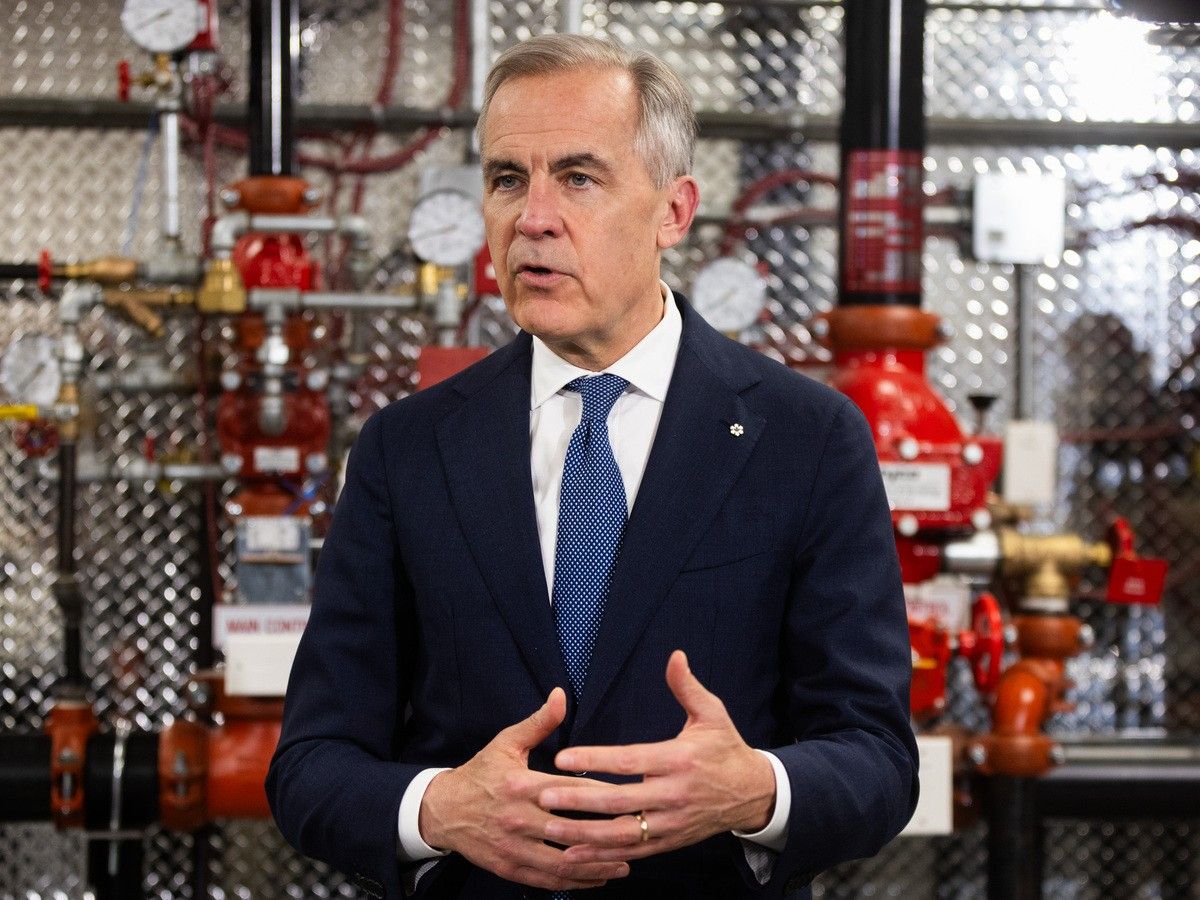
Prime Minister Mark Carney is doubling down on his ambitious nation-building agenda, urging provincial leaders to pivot away from opposition and toward collaborative progress. Speaking before the Greater Vancouver Board of Trade on Wednesday, Carney addressed the growing friction between the federal government and British Columbia, emphasizing a desire to move beyond political roadblocks. ‘What we’re trying to accomplish… is we don’t want to hear what people are against, we want to hear what they’re for,’ Carney told the business audience.
The Alberta Agreement and B.C. Opposition
The tension centers on a recently signed ‘implementation agreement’ between Carney and Alberta Premier Danielle Smith. The deal outlines federal support for a pipeline capable of transporting one million barrels of oil per day to the B.C. coast. While the agreement includes environmental caveats—such as Alberta raising its industrial carbon tax to $140 a tonne by 2040 and committing to carbon capture projects—it has drawn sharp criticism from B.C. Premier David Eby.
Eby has condemned the deal, citing a lack of meaningful consultation with his province. He further suggested that Alberta is receiving ‘special treatment’ as a federal tactic to quell rising separatist sentiment in the Prairies. Despite these concerns, Carney maintains that any project will respect Section 35 constitutional duties to consult and must provide substantial economic benefits to British Columbia.
A Strategic Pivot to Energy and Industry
Defending his economic strategy, Carney highlighted that B.C. remains a central pillar of the federal plan, noting that one-third of the 22 major ‘nation-building’ projects currently under review are located within the province. These include developments in critical minerals, artificial intelligence, and liquefied natural gas (LNG). ‘When we master energy, we master our destiny,’ Carney remarked, signaling that the federal government is prepared to fast-track regulatory approvals by 2027 to ensure Canada remains competitive.
Navigating Provincial Sovereignty
The burgeoning conflict underscores the perennial challenge of Canadian federalism: balancing national economic interests with provincial autonomy. While Carney acknowledged the importance of early conversations with Coastal First Nations and Premier Eby, his tone remained firm. As the federal government pushes for a unified energy corridor, the success of his agenda will depend on whether he can translate ‘momentum’ into genuine interprovincial cooperation.
Economy
Ottawa Sets September 2027 Construction Date for Alberta’s Crucial West Coast Pipeline
The federal government sets Sept. 1, 2027, for Alberta’s West Coast pipeline construction approval, marking a major shift in Canadian energy infrastructure.
A Definitive Timeline for Energy Export
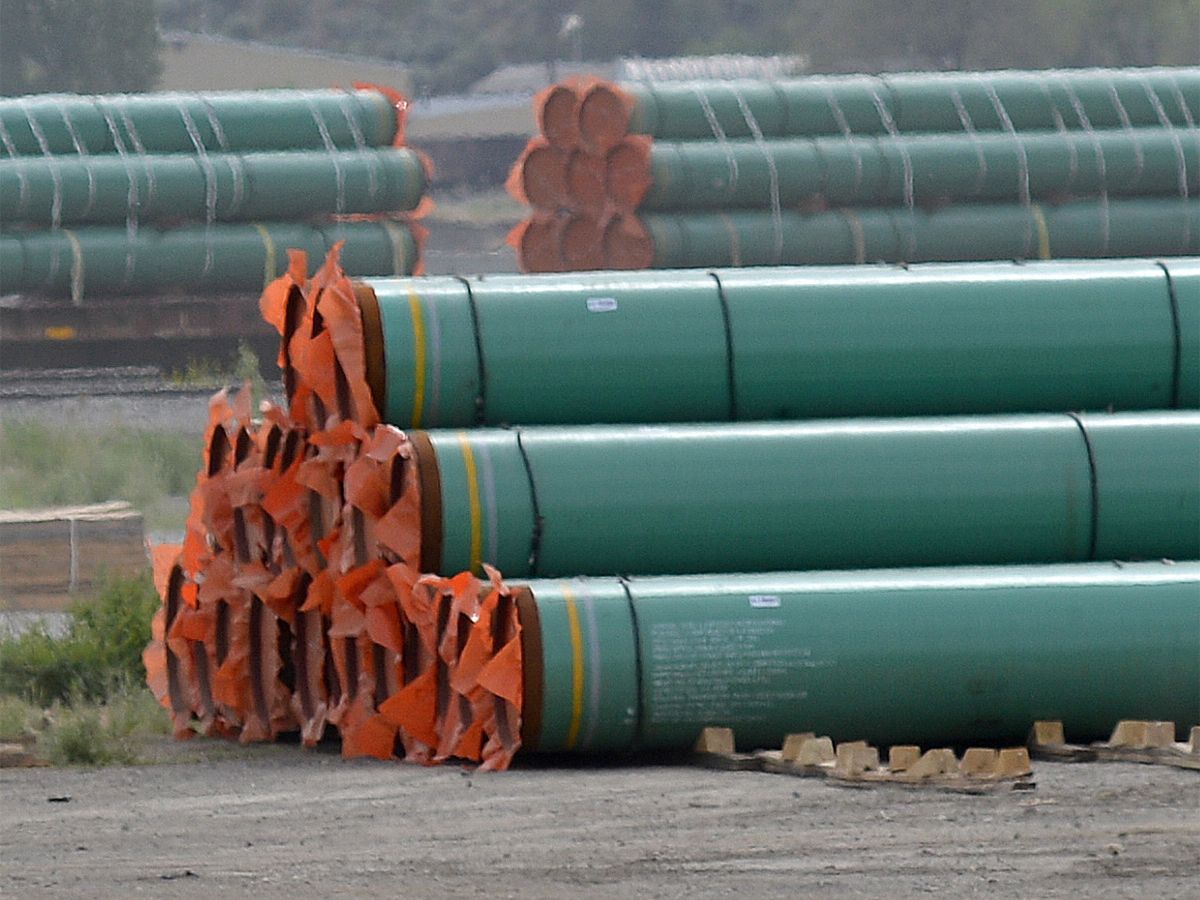
In a significant shift for Canadian energy policy, the federal government has reportedly committed to a firm timeline for the approval of a new Alberta pipeline to the West Coast. Sources indicate that September 1, 2027, has been designated as the date for final construction approval, signaling an end to the regulatory hurdles that have long plagued major energy infrastructure projects in Western Canada. This commitment represents a rare moment of alignment between the federal government and Alberta, aiming to expedite a process that typically spans decades.
National Interest and Regulatory Fast-Tracking
The deal, which is expected to be formalized in a memorandum of understanding, involves a strategic ‘fast-track’ designation. Prime Minister Mark Carney’s administration is reportedly moving to declare the pipeline a project of national interest by October 1 of this year. This designation is intended to streamline the environmental assessment and consultation phases, moving the project toward the finish line with unprecedented speed. This move comes as Alberta prepares to submit its formal pipeline proposal by the end of June, setting the stage for a high-stakes regulatory sprint.
Political Compromise and Economic Stakes
The timing of the announcement has not escaped political observers, as the September 2027 approval date falls just one month before Alberta’s next provincial election. Furthermore, the federal government’s urgency appears tied to broader policy negotiations. In exchange for the pipeline commitment, Alberta has reportedly made concessions regarding the federal industrial carbon tax—a contentious issue for the province. For many Albertans, the deal hinges on certainty; after years of what critics call ‘word salad’ from Ottawa, the promise of ‘shovels in the ground’ by a specific date is a critical metric of success.
Consultations and Future Hurdles
While the date provides a target, several milestones remain. The next twelve months will be dominated by intensive consultations with First Nations, finalizing the exact geographical route, and securing private sector investment. However, with the Carney government pledging its full efforts to meet these deadlines, the energy sector is watching closely to see if this represents a genuine breakthrough in Canadian resource development or a calculated political maneuver ahead of a looming independence referendum in the province.
energy
Global Energy Markets Braced for Impact as Trump Declares Iran Ceasefire on ‘Life Support’
President Trump declares Iran ceasefire on ‘life support’ as oil prices surge and U.S. considers military escorts for tankers in the Strait of Hormuz.

Rising Tensions in the Strait of Hormuz
President Donald Trump has cast a shadow over international diplomatic efforts by declaring the current ceasefire with Iran to be on ‐massive life support.‐ The statement follows the President’s outright rejection of Tehran’s latest peace proposals, which he dismissed as ‐garbage‐ and ‐stupid.‐ The collapse of these negotiations has immediately reignited fears of a prolonged blockade in the Strait of Hormuz, a vital artery for global oil supplies.
The Standoff Over Naval Escorts
In response to the deadlock, the White House is reportedly reconsidering the deployment of U.S. Navy military escorts for commercial vessels through the Strait. This move, previously dubbed ‐Project Freedom,‐ was briefly paused to allow for diplomatic cooling. However, with Iran demanding the recognition of its sovereignty over the waterway and the lifting of all sanctions before further talks, the U.S. appears ready to pivot back to a military posture. This escalation comes despite resistance from regional allies like Saudi Arabia, who have expressed concerns over the potential for a wider conflict.
Economic Fallout and Humanitarian Concerns
The impact of the impasse was felt instantly in the energy markets, with oil prices surging past $105 a barrel. Beyond the financial markets, a humanitarian crisis is looming in the Gulf. The International Maritime Organization (IMO) reports that nearly 1,500 tankers and 20,000 seafarers are currently stranded due to the blockade. Supplies of food, water, and fuel for these crews are reportedly reaching critical lows, prompting urgent calls from Omani officials for humanitarian intervention.
Geopolitical Implications for the Beijing Summit
The timing of the collapse is particularly sensitive as President Trump prepares for a high-stakes summit with Chinese President Xi Jinping in Beijing. China, a major purchaser of Iranian oil, is unlikely to support U.S. requests for tighter restrictions on Tehran. With Iran’s domestic economy under severe strain—evidenced by mandatory power cuts and dwindling medicine reserves—the international community remains on edge as the prospect of a diplomatic resolution appears increasingly remote.
Tensions Surge as US Strikes Iranian Targets Amid High-Stakes Nuclear Negotiations
Deadly Bundibugyo Outbreak in Congo Outpacing Global Response as Deaths Surge
CFL Scores Historic $500 Million Media Rights Deal with Bell Media, DAZN, and YouTube
UBC Dementia Research Receives $500,000 Boost for Revolutionary Blood-Based Testing
The Strategic Edge: Why Sleep Is the Executive’s Most Underutilized Asset
A Geopolitical Shift: Canada and Germany Strike Landmark 20-Year LNG Export Deal

Opinion: John Rustad Has to Go

B.C. Supreme Court Grants Cowichan Tribes Title to Historic Richmond Lands and Fishing Rights

Vancouver Canucks Gear Up for a Make-or-Break 2025–26 Season

Kamloops Blazers Announce Off-Season Changes Ahead of 2025–26 Season

BC Ferries Sparks Outcry Over Contract with Chinese Shipyard

A Taste of Autumn: Fall Okanagan Wine Festival 2025
-
National News5 days ago
Confusion and Skepticism Mount Over Alberta’s Separation Referendum
-
Alberta News5 days ago
Elections Alberta Alleges Key Organizer Refuses Cooperation in Massive Voter Data Misuse Probe
-
Finance4 days ago
Oil Prices Pivot as U.S. Strikes in Iran Dampen Hopes for Diplomatic Breakthrough
-
Religion5 days ago
The Vatican’s Digital Crusade: Pope Leo XIV Issues Landmark AI Encyclical Warning Against ‘Opaque Algorithms’
-
Canadian News4 days ago
New National Study Reveals Hormonal Shifts Are Reshaping Identity for Majority of Canadian Women
-
Global Economy5 days ago
Strategic Patience: Trump Advises Negotiators Against Rushed Iran Agreement
-
Hockey5 days ago
Hurricanes Even Eastern Conference Final in Overtime Grinder Against Canadiens
-
BCNEWS4 days ago
Tim Hortons Pivots to Local Hiring Strategy Amid Rising Youth Unemployment and Fast-Food Competition