COMMUNITY
BC Residents Urged to Check Surveillance Footage as Police Probe Suspicious Park and Roadside Fires
B.C. RCMP launch arson investigations into suspicious fires in Kelowna, the Shuswap region, and near Coquitlam. Police request dashcam and security video.


Multiple Fire Investigations Underway Across B.C.
Police departments in British Columbia have opened arson inquiries after several suspicious blazes were reported in various parts of the province.
In the Columbia Shuswap Regional District, Mounties are looking into three roadside ditch fires along Squilax Anglemont Road. The blazes, reported around 5:30 p.m. on Wednesday, were spaced approximately 100 metres apart. Emergency crews responding to the scene faced additional calls as two more fires emerged in the Anglemont Estates area. While firefighters brought the flames under control with no damage reported, the incident led to two homes being placed under an evacuation order and another 35 under an evacuation alert.
Police Request Video Footage in Anmore and Belcarra Areas
Coquitlam RCMP are searching for video evidence to assist an ongoing investigation into a fire cause. Investigators are focusing on footage gathered between 1 p.m. and 4 p.m. on Aug. 5, asking anyone with dashcam, mobile phone, or residential security video from areas in and around Anmore and Belcarra to step forward.
“Anmore and Belcarra are strong beautiful communities that take a great pride in maintaining their regional park,” said Const. Ashleigh Daniels, media relations officer for the Coquitlam RCMP, in a release. “We are asking anyone who was in the area, witnessed anything suspicious, or may have video footage or information related to this investigation to contact police.” Members of the public can reach Coquitlam RCMP at 604-945-1550 using file number 2026-20259.
Kelowna Park Fires Extinguished by Alert Locals
In Kelowna, Mounties are probing a series of fires at Gopher Creek Linear Park that appear to have been intentionally started around 5:30 p.m. on Aug. 5. Quick action by nearby residents and park visitors helped extinguish the small fires before the local fire department was contacted, according to police.
Kelowna RCMP are asking anyone who noticed unusual activity near the park, Gallagher Road, or Lynrick Road on the afternoon of Aug. 5 to come forward. Drivers in those areas between 3 p.m. and 6 p.m. who may have dashcam footage are requested to call Kelowna RCMP at 250-762-3300 and reference file number 2026-50091.


BC STORIES
A 1970 Orca Escape Led to 13 Wild Calves — Now an Author Is Searching for the Person Who Freed Them
Author Grant Lawrence searches for the mystery scientist who freed two captive orcas from Pedder Bay in 1970, sparking a wild population revival.
An Enduring Mystery from Pedder Bay
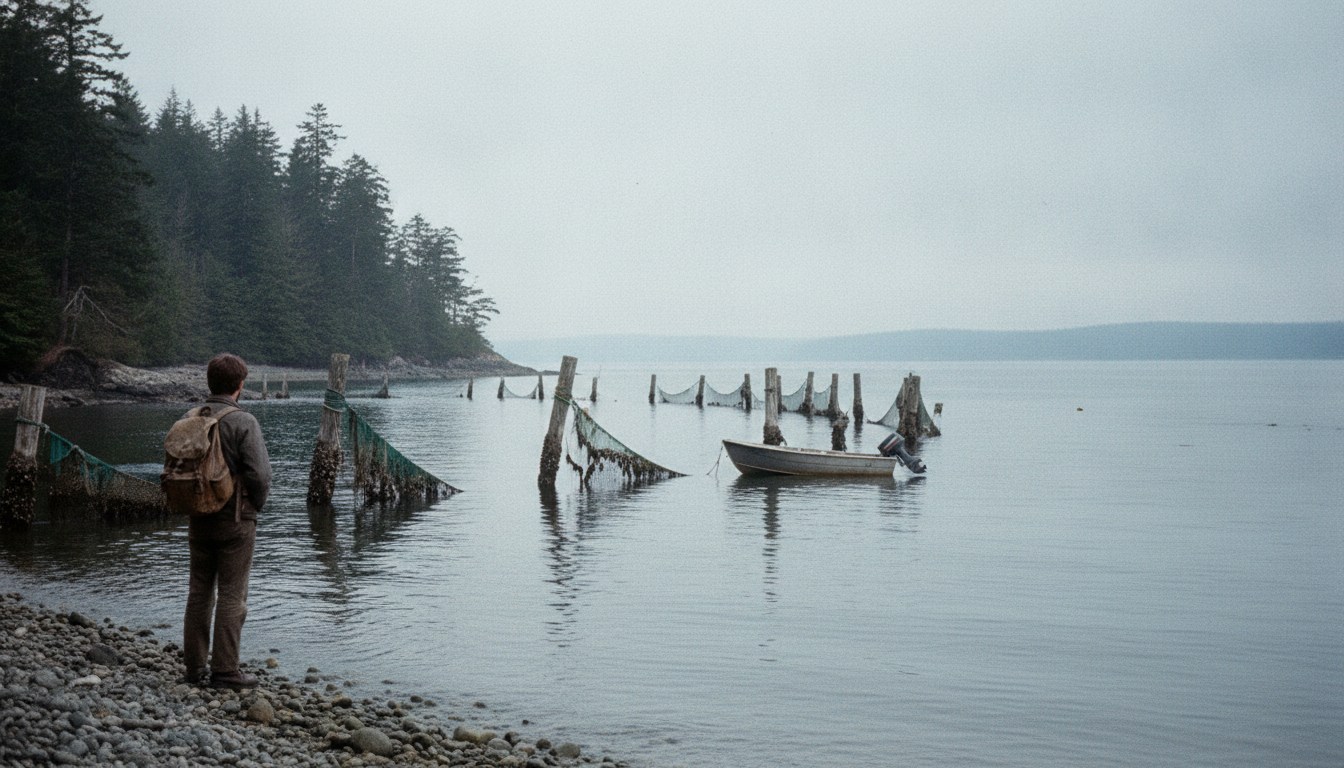
Thirteen wild killer whales roaming the coast today owe their existence to an act of secret sabotage carried out in 1970. Now, author Grant Lawrence is attempting to solve the mystery of who cut the net pens in Metchosin’s Pedder Bay to free two captive orcas more than five decades ago.
The story began when five killer whales, later designated as the Pedder Bay Five, were captured by Sealand of the Pacific owner Bob Wright. While two whales were sent to the Oak Bay oceanarium and one died of starvation, a male named Charlie and his mother Flo were held in a net pen awaiting shipment to an aquarium in Texas. After nearly eight months, someone secretly freed the pair, allowing them to swim back into the wild.
Following Clues to a Mystery Liberator
Lawrence, who is writing an upcoming book titled Whale Tale, was given a set of clues by an anonymous interviewee who claims to know the identity of the person responsible. The source revealed that the liberator was a highly respected scientist who passed away prematurely, leaving behind a wife and daughter. The scientist, who reportedly lacked a big ego and believed freeing the animals was simply the right thing to do, is also suspected of liberating another captive whale in Pender Harbour in 1968.
Although marine biologist Michael Bigg was initially considered as a potential suspect because of his balanced stance during the capture era, that lead proved to be a dead end. Lawrence’s source has promised to confirm the name if the author can successfully deduce it.
A Lasting Impact on B.C. Orcas
The secret liberation had a profound ecological effect. Flo went on to give birth to a daughter named Tasu, who became the matriarch of the T002C pod. Lawrence notes that at least 13 wild calves have been born as a direct result of the escape.
The descendants of those freed whales now form part of a thriving population of 400 to 500 transient Bigg’s killer whales along the coast. Lawrence, who frequently spots the T002C pod near his family cabin in Desolation Sound, hopes to identify the unsung liberator before completing his book. Anyone with relevant information is encouraged to contact Lawrence at grantlawrence12@gmail.com.
COMMUNITY
Why Okanagan Residents Are Being Urged to Rethink Water Use and Waste as Droughts Worsen
Climate change and rising temperatures disrupt the Okanagan water cycle, causing severe drought and threatening aquatic ecosystems and salmon populations.
Changing Climate Alters Regional Water Cycle
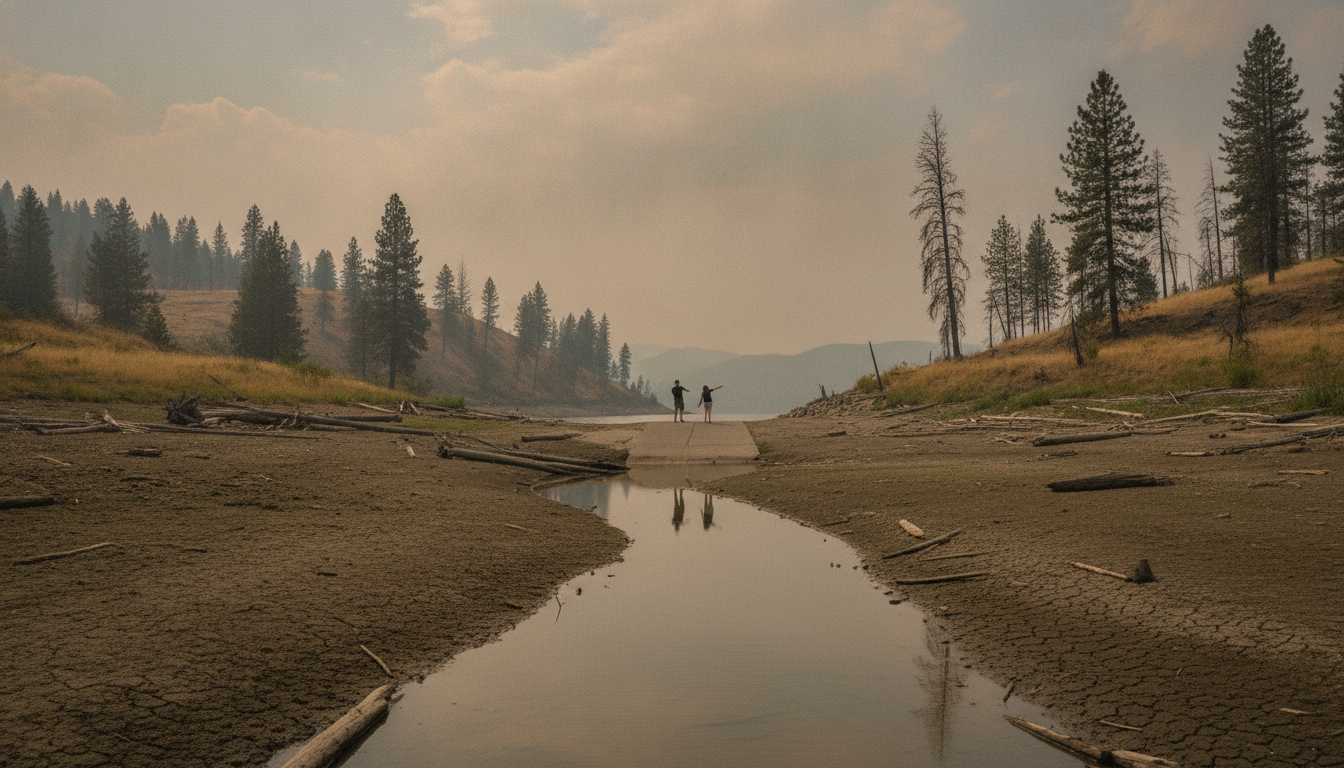
Depleted water levels in the Okanagan are threatening aquatic ecosystems and putting additional stress on local salmon populations. Warmer temperatures and changing climate patterns are leading to smaller amounts of snow and rain, earlier snowmelts, and longer, drier summers across the region. Local water systems face severe drought and potential desertification if withdrawals exceed what nature naturally replenishes each year.
Human Activity and Extreme Weather Patterns
Greenhouse gases—including nitrous oxide from synthetic fertilizers, methane from livestock and decomposing garbage, and emissions from burning fossil fuels—continue to trap atmospheric heat. As air molecules warm up, they move faster and more erratically, creating conditions that drive longer, more severe, and more frequent extreme weather events. While heavy downpours cause flooding in certain regions, escalating heat and prolonged dry spells spark massive wildfires locally.
Reframing Waste and Personal Responsibility
Deteriorating natural environments, wetland destruction, deforestation, and pollution further reduce the capacity of long-established ecosystems to adapt to rapid warming. Addressing these challenges requires shifts in societal attitudes regarding affluence, consumption, and waste. Developing nations and wealthier societies often generate the most pollution and trash, whereas other cultures prioritize reusing materials. Local residents are encouraged to reconsider everyday habits, consume less, and spend time outdoors to better connect with nature.
Local Initiatives Offer Educational Resources
Community members seeking practical ways to reduce their environmental footprint can access regional tools. Resources such as Vernon’s Climate Action Plan at Vernon.ca/climate-action outline municipal initiatives and offer guidance for residents. Additionally, okanaganclimate.ca provides detailed information on how global warming directly affects the Okanagan region.
COMMUNITY
Why Are we Being Urged to Rethink Water Use and Waste as Droughts Worsen
Climate change and rising temperatures disrupt the Okanagan water cycle, causing severe drought and threatening aquatic ecosystems and salmon populations.
Changing Climate Alters Regional Water Cycle
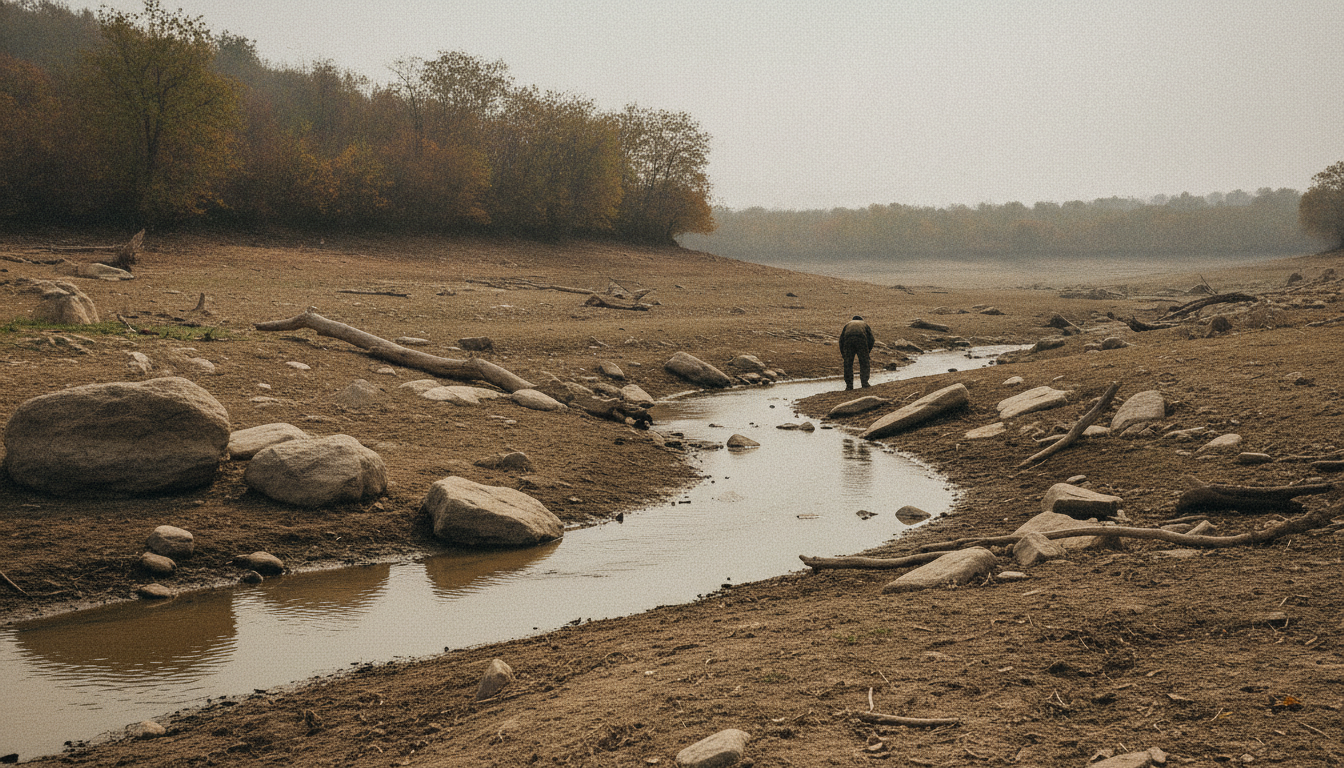
Depleted water levels in the Okanagan are threatening aquatic ecosystems and putting additional stress on local salmon populations. Warmer temperatures and changing climate patterns are leading to smaller amounts of snow and rain, earlier snowmelts, and longer, drier summers across the region. Local water systems face severe drought and potential desertification if withdrawals exceed what nature naturally replenishes each year.
Human Activity and Extreme Weather Patterns
Greenhouse gases—including nitrous oxide from synthetic fertilizers, methane from livestock and decomposing garbage, and emissions from burning fossil fuels—continue to trap atmospheric heat. As air molecules warm up, they move faster and more erratically, creating conditions that drive longer, more severe, and more frequent extreme weather events. While heavy downpours cause flooding in certain regions, escalating heat and prolonged dry spells spark massive wildfires locally.
Reframing Waste and Personal Responsibility
Deteriorating natural environments, wetland destruction, deforestation, and pollution further reduce the capacity of long-established ecosystems to adapt to rapid warming. Addressing these challenges requires shifts in societal attitudes regarding affluence, consumption, and waste. Developing nations and wealthier societies often generate the most pollution and trash, whereas other cultures prioritize reusing materials. Local residents are encouraged to reconsider everyday habits, consume less, and spend time outdoors to better connect with nature.
Local Initiatives Offer Educational Resources
Community members seeking practical ways to reduce their environmental footprint can access regional tools. Resources such as Vernon’s Climate Action Plan at Vernon.ca/climate-action outline municipal initiatives and offer guidance for residents. Additionally, okanaganclimate.ca provides detailed information on how global warming directly affects the Okanagan region.

A 1970 Orca Escape Led to 13 Wild Calves — Now an Author Is Searching for the Person Who Freed Them

Why Okanagan Residents Are Being Urged to Rethink Water Use and Waste as Droughts Worsen

Why Are we Being Urged to Rethink Water Use and Waste as Droughts Worsen

Canada’s Conservative Influencers Are Fighting for the Future of the Movement
Clock Ticks Toward Midnight Tariffs as Canada-U.S. Trade Talks Reach Critical Stage
Unused Launchers Expose Ukraine’s Severe Patriot Missile Shortage

Opinion: John Rustad Has to Go

B.C. Supreme Court Grants Cowichan Tribes Title to Historic Richmond Lands and Fishing Rights

Vancouver Canucks Gear Up for a Make-or-Break 2025–26 Season

Kamloops Blazers Announce Off-Season Changes Ahead of 2025–26 Season

BC Ferries Sparks Outcry Over Contract with Chinese Shipyard

A Taste of Autumn: Fall Okanagan Wine Festival 2025
-
 LOCAL2 days ago
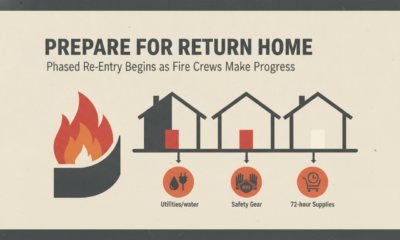
Residents told to prepare for return home as fire crews make progress on Quilpituk Creek blaze
-
WORLD2 days ago
Unused Launchers Expose Ukraine’s Severe Patriot Missile Shortage
-
 OPINIONS2 days ago
Canada’s Conservative Influencers Are Fighting for the Future of the Movement
-

 BC STORIES2 days ago
How Enjoying an Ice Cream Treat Today Helps BC Children’s Hospital
-
 BC STORIES2 days ago
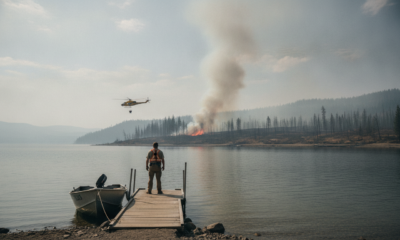
What Residents and Boaters Need to Know as Crews Target Bradley Creek Wildfire Hot Spots
-

 BC STORIES2 days ago
BC Lions Extend Winning Streak to Three After Thrilling Fourth-Quarter Comeback Against Stampeders
-
NATIONAL STORIES2 days ago
Clock Ticks Toward Midnight Tariffs as Canada-U.S. Trade Talks Reach Critical Stage
-
 COMMUNITY2 days ago
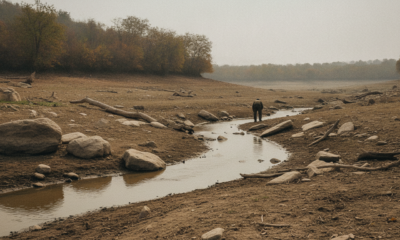
Why Are we Being Urged to Rethink Water Use and Waste as Droughts Worsen