POLITICS
British Columbia Tightens Rules on AI Data Centres and Bans New Crypto Mining Projects


Protecting Clean Energy and Grid Stability
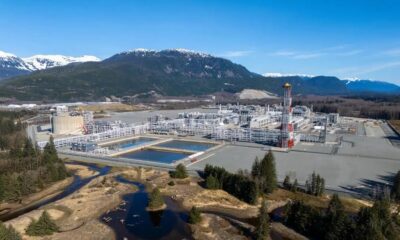
The decision follows growing concerns that unchecked growth in crypto mining and high-performance computing could overwhelm the province’s hydro-electric system, jeopardizing both affordability and reliability for residents and other industries. Prior to the new rules, BC Hydro had already suspended electricity requests from crypto-mining companies after applications exceeded more than 1,400 MW — enough to power hundreds of thousands of homes. The updated framework makes that suspension permanent, ensuring that electricity is directed toward sectors that create broader economic value and align with the province’s clean-energy goals.
Stricter Oversight for Data-Centre Development
For businesses in the technology and energy sectors, the policy signals a shift toward stricter oversight and prioritization of projects offering tangible community benefits. Future data-centre developments will need to demonstrate job creation, regional investment, and integration with renewable-energy objectives to qualify for limited power allocations. Meanwhile, crypto-mining operations currently active in the province must adapt to a landscape where expansion is no longer possible.
Balancing Innovation with Affordability
The government emphasized that its priority remains maintaining affordable power rates for British Columbians while supporting sustainable innovation in emerging industries. The province’s approach reflects a growing global trend toward balancing technological advancement with responsible energy stewardship.




BC STORIES
What the B.C. Conservatives’ New Platform Means for Your Taxes and Provincial Services
The B.C. Conservatives released their election platform, promising $2.6B in new revenue and deficit reduction, while the NDP criticizes the plan.

Fiscal Plan Targets Deficit Reduction Through Growth
Ahead of the Oct. 24 provincial general vote, the British Columbia Conservatives have unveiled a 71-page platform that relies on economic growth to generate an additional $2.62 billion in government revenue across three years. Under the proposal, the party projects it will lower the provincial deficit to $10.8 billion by the year 2030, describing the approach as restraint rather than austerity. The financial projections depend on Gross Domestic Product expanding by 2.5 per cent in 2027, 2.8 per cent in 2028, and 3.2 per cent in 2029.
Proposed Operational Savings and Core Reviews
To reduce expenditures, the Conservative platform outlines measures to freeze external hiring and reduce the reliance on consultants, alongside targeted reviews across multiple government ministries. The document estimates that auditing core operations would save approximately $1.8 billion over four years. Implementing a non-front-line hiring freeze and relying on staff attrition over that same four-year span is projected to save an additional $2 billion.
Leadership Promises and Service Guarantees
Interim Conservative leader Lorne Doerkson, who reviewed the document prior to its Sunday afternoon release, expressed enthusiasm about tackling the deficit and boosting the economy. In an introductory letter, Doerkson stated his goal is to make life easier for residents by creating jobs and lowering costs, adding, “I’ll fully fund and protect our health care, and fix the mess David Eby and the NDP have made so that British Columbians aren’t dying on wait-lists or going to closed ERs when they need help.” Although advanced voting started on Oct. 16, Doerkson had previously committed to releasing the platform before citizens cast their ballots.
NDP Challenges Revenue and Expense Projections
The New Democratic Party pushed back against the Conservative proposals on Sunday, calling the growth expectations unrealistic. According to NDP calculations, promised income tax relief combined with removing the PST from items including Canadian alcohol would drain more than $4.3 billion annually from provincial coffers, increasing the deficit by 33 per cent. NDP representatives asserted that Doerkson faces a $6 billion fiscal gap after accounting for commitments such as substituting the planned Massey tunnel replacement with a bridge and building a new women and children’s hospital.
BC STORIES
Why B.C. NDP Leader David Eby Is Urging Green Voters to Help Stop a Conservative Win
BC NDP Leader David Eby is asking Green voters to support his party to prevent a Conservative government as B.C. prepares for the Oct. 24 election.

Eby Warns Against Split Votes as Election Nears
As the snap election scheduled for Oct. 24 enters its final week, British Columbia NDP Leader David Eby is making a direct pitch to Green Party supporters, prompting criticism from Green Party Leader Emily Lowan.
Speaking on Sunday during a campaign stop in Campbell River, B.C., Eby noted that during the previous election, Green votes contributed to Conservatives winning over New Democrats in 11 ridings, including North Island. While acknowledging that neither he nor his party has been flawless, Eby stressed that the political stakes extend beyond frustrations over the timing of the vote.
“The message to Green voters is very straightforward,” Eby said. “I have a great deal of respect for their leader, and she’s not going to be the premier next week. The damage that a Conservative government would do would last for generations, and some of it would be impossible to undo.”
Eby argued that New Democrats and Greens share common goals, such as maintaining a robust public health-care system and protecting the environment. In contrast, he said the Conservatives present “stark differences” regarding private health care, service cuts, trade relations with the United States, and the tolerance of hate and division.
“So, I’m asking Green voters to think very carefully about the kind of province that we all want, because when we all work together as voters who share that vision, we win,” Eby added.
Green and Conservative Leaders Push Back
Green Party Leader Emily Lowan rejected Eby’s arguments and disputed his claim that the policy gaps between their parties are minor.
“David Eby called this snap election two years early,” Lowan said. “Now, he is trying to scare British Columbians into voting for him.”
She pointed to several policy areas where she argued the NDP has fallen short. “Tell that to the families waiting on the $10-a-day child care he froze, the seniors waiting on the seven long-term care homes he delayed, and the renters still waiting for housing they can afford,” Lowan said. She added that voters are seeking a government that fulfills its promises, maintains affordability, and delivers accessible care.
Lowan also cited the recent municipal election of Green Pete Fry as Vancouver’s mayor as evidence that British Columbians are open to Green leadership on election day.
Meanwhile, the Conservatives issued a statement criticizing Eby’s campaign strategy, stating he called the election for personal advantage but created an opportunity for change instead. “Three weeks later, he is begging other parties’ voters to save him from his own record. That is what desperation looks like,” the statement said.
The appeal to Green voters comes as opinion polls indicate the NDP is trailing. When asked if his comments reflected concern over the polling numbers, Eby replied that the only poll that matters takes place on election day.
BC STORIES
Voters Shift Strategy as Pete Fry Wins Vancouver Mayoral Race
Pete Fry of the Green Party defeats incumbent Ken Sim by over 20,000 votes to become Vancouver mayor, as voters elect a mixed-slate council.
Shift in Vancouver City Leadership
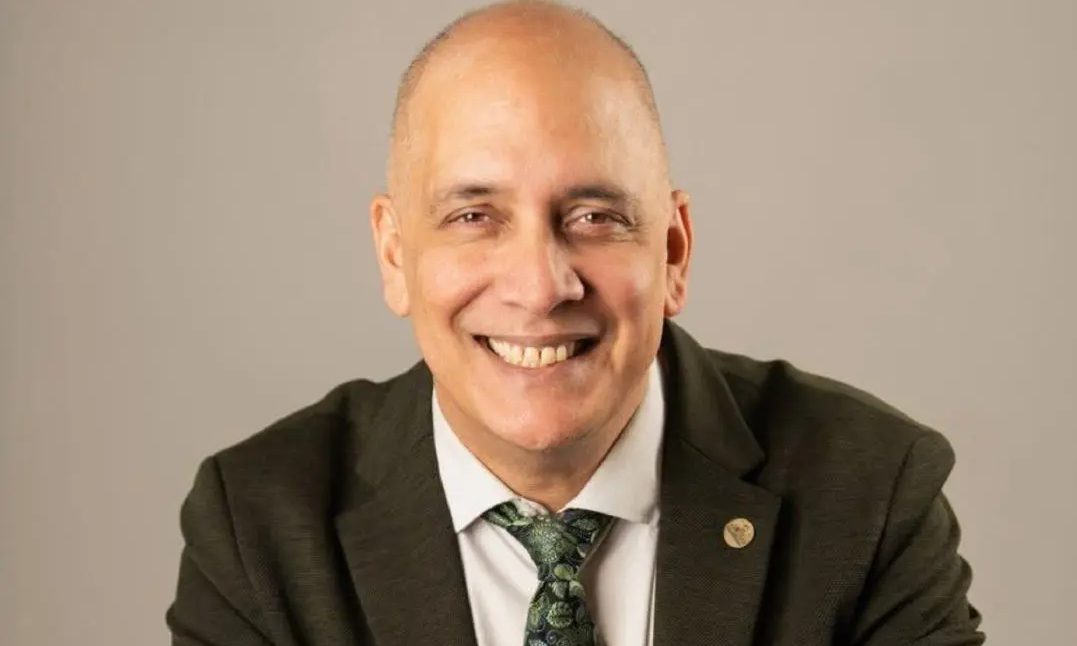
In Saturday’s municipal election, Pete Fry of the Green Party of Vancouver defeated incumbent Mayor Ken Sim of ABC Vancouver by more than 20,000 votes. Results recorded as of 11:20 p.m. on Oct. 17 showed Fry leading with 70,183 votes compared to Sim’s 49,780, with 106 of the city’s 149 polling locations counted.
Sim, who had held the mayoral seat since winning his 2022 campaign against then-incumbent Kennedy Stewart, offered a concession speech shortly after Fry addressed supporters at 10:30 p.m., when 75 polling stations had reported results.
Diverse Representation Across City Council
Fry, who is the son of Vancouver Centre Liberal MP Hedy Fry, will lead a city council comprising members from multiple political slates, including COPE, the Green Party, OneCity, and ABC Vancouver.
Partial results from 11 p.m. indicated COPE candidate Sean Orr held the lead in the council race with 51,777 votes, followed by Green’s Annette Reilly at 47,854. Other leading candidates included COPE’s Chloe Leslie (42,554) and Devyani Singh (41,031), OneCity’s Lucy Maloney (39,756), Green’s Stephanie Smith (38,498), COPE’s Solomon Yi-Kieran (38,013), Green’s Camil Dumont (37,514), alongside ABC Vancouver’s Mike Klassen (36,927) and Joyce Gillespie (35,218).
Your Current 3 Day Forecast — October 23, 2026

Vancouver Canucks Honour Beloved Broadcaster John ‘Cheech’ Garrett During Home Game

Why B.C. Lions Starters Are Resting as the Regular Season Concludes Against Winnipeg

How Minor Parties and Strategic Balloting Could Shift the Upcoming B.C. Election

Why Alberta’s Government Is Ruling Out Future Separation Votes

BC Conservatives Promise Forestry Overhaul to Revive Jobs as NDP Points to Millions in Existing Investment

Opinion: John Rustad Has to Go

B.C. Supreme Court Grants Cowichan Tribes Title to Historic Richmond Lands and Fishing Rights

Vancouver Canucks Gear Up for a Make-or-Break 2025–26 Season

BC Ferries Sparks Outcry Over Contract with Chinese Shipyard

Kamloops Blazers Announce Off-Season Changes Ahead of 2025–26 Season

A Taste of Autumn: Fall Okanagan Wine Festival 2025
-

 BC STORIES5 days ago
Grassroots Effort and Digital Content Help Deliver Strong Election Finish for Young Candidates
-
BC STORIES7 days ago
Why a Major Political Shift is Shaking Up the B.C. Provincial Election Final Weekend
-
 NATIONAL STORIES7 days ago
Why Albertans Are Heading to the Polls on the Question of Canadian Unity
-
NATIONAL STORIES7 days ago
High-Wage Workers Set to Receive Extra Express Entry Points Under New Policy Changes
-
 NATIONAL STORIES6 days ago
Decades of Western Alienation Lead Albertans to Referendum on Canada’s Future
-
 COMMUNITY6 days ago
Are You Ready for Winter Driving? Test Your Knowledge as Cold Weather Approaches
-
 PUBLIC SAFETY6 days ago
U.S. Grand Jury Formally Charges Alleged Accomplice in Fatal Tumbler Ridge School Shooting
-
 BC STORIES6 days ago
Help Document Clayoquot Sound’s History by Sharing Your Mining Artifacts