NATIONAL STORIES
Mark Carney Appoints Former UN Rights Chief Louise Arbour as Next Governor General
Prime Minister Mark Carney appoints former Supreme Court Justice and UN rights chief Louise Arbour as Canada’s next Governor General, replacing Mary Simon.


A Celebrated Jurist Ascends to Rideau Hall
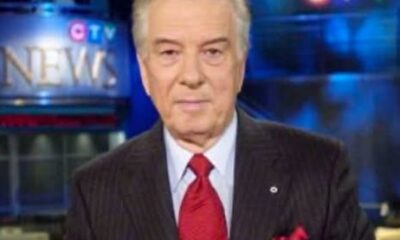
Prime Minister Mark Carney has officially named Louise Arbour, a former Justice of the Supreme Court of Canada and renowned international human rights advocate, as the country’s next Governor General. Arbour, 79, will succeed Mary Simon, the first Indigenous person to hold the post, whose five-year term is nearing its conclusion. The appointment brings one of the world’s most decorated legal minds to the role of the King’s representative in Canada.
Arbour’s career is marked by a series of high-profile international and domestic achievements. She previously served as the UN High Commissioner for Human Rights and as the Chief Prosecutor of the International Criminal Tribunals for Rwanda and the former Yugoslavia. In the latter role, she became a global figure for her indictment of Slobodan Milošević for crimes against humanity. Domestically, her 2022 probe into the Canadian Armed Forces led to a significant overhaul of how the military handles sexual misconduct, an institution she will now oversee as commander-in-chief.
Defending the Constitutional Order
In his announcement in Ottawa, Prime Minister Carney described Arbour as a “guardian of our constitutional order” and a “steward of our tradition of peace, order and good government.” The appointment comes at a time of heightened regional tensions, with Carney emphasizing Arbour’s legal expertise as an asset should Canada face future constitutional challenges, including potential separation referendums in Quebec or Alberta.
Arbour accepted the nomination with what she described as a “deep sense of duty,” stressing the importance of stable institutions. While she admitted she was not entirely sure what the term “monarchist” meant in a modern context, she expressed full support for the current constitutional arrangement, noting that the system provides essential continuity for Canadian governance.
Navigating Political Sensitivities
Despite her sterling legal resume, Arbour’s appointment may face scrutiny from some political corners. Her past advocacy for prisoners’ rights and her criticism of Israeli military actions during her time at the UN have previously drawn fire from Conservative lawmakers. Addressing potential critics, Arbour stated her intention to be a representative for all Canadians. “I will reach out to anybody,” she said Tuesday. “I will listen and I hope in due course I will manage to persuade particularly those who doubt my integrity.”


NATIONAL STORIES
What to Know About Canada’s Plan to Counter 50 Per Cent U.S. Tariffs Next Month
Prime Minister Mark Carney says Canada will match 50% U.S. tariffs dollar-for-dollar starting Sept. 8 after cross-border trade negotiations broke down.
Ottawa Rejects ‘Bad Deal’ as Trade War Escalates
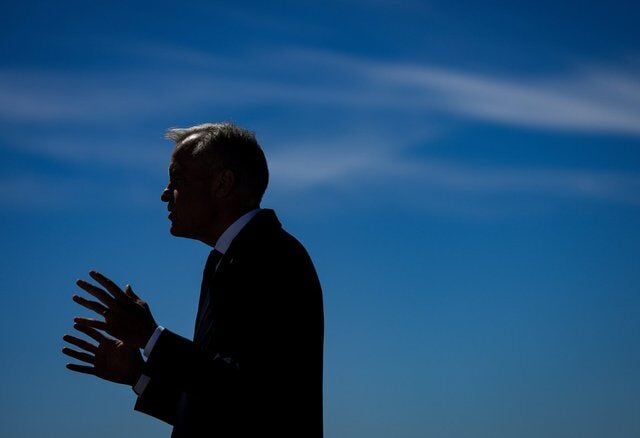
Prime Minister Mark Carney announced Saturday that Canada will levy dollar-for-dollar counter-tariffs against the United States beginning Sept. 8, following the collapse of cross-border trade negotiations.
The move comes after Washington imposed 50 per cent tariffs on $28 billion worth of Canadian products on Saturday. The duties target items ranging from dairy, honey, and essential oils to hockey sticks. Carney suspended talks late Friday, recalling Canadian negotiators from Washington after deeming the proposed terms unacceptable.
Carney stated that late-stage American demands attempted to restrict Canada’s ability to enter independent trade agreements with other nations, which he described as an unacceptable power play that threatened national sovereignty. Additionally, he noted the U.S. sought to alter protections for Canadian language and culture while offering specific tariff relief for certain vehicles, including Ford trucks.
Dollar-for-Dollar Retaliation Planned for September
The Canadian countermeasures are scheduled to take effect the day after Labour Day. Carney confirmed the retaliatory duties will target key American industries, including steel, electronics, dairy, pulp and paper, agricultural equipment, and household appliances. Detailed plans for business support and specific tariff breakdowns are expected in the coming days.
Carney acknowledged that the decision was taken reluctantly, noting that while the measures will inevitably raise costs and restrict choices for Canadian consumers, standing up to the U.S. position remains necessary for the country’s economic interest.
U.S. Blames Ottawa for Broken Negotiations
U.S. Trade Representative Jamieson Greer blamed Canadian negotiators for the breakdown, asserting that Ottawa pulled back from earlier commitments. Greer told reporters the U.S. had offered substantial tariff relief on steel, aluminum, autos, and lumber in exchange for Canadian concessions.
Greer later told Fox News that no further talks are currently scheduled and indicated Washington would move forward with its response to Canadian countermeasures. The Trump administration previously chose not to extend the CUSMA agreement in July, triggering a rolling annual review process. While Mexico and the U.S. have initiated formal CUSMA talks, Canada and the U.S. have yet to begin.
Provincial Leaders Call for Unity
Addressing reporters on Saturday, Ontario Premier Doug Ford offered full backing to the prime minister, urging all provincial leaders to remain united behind a coordinated national stance. Ford criticized the U.S. administration’s negotiating tactics, noting that workers and industry representatives in Ontario’s auto and steel sectors agreed the rejected offer was inadequate.
In a letter sent to the prime minister earlier in the week, Ford urged Ottawa to consider targeting imports from specific U.S. states supporting the current administration, including Texas, Florida, Wisconsin, and Iowa. Ford also suggested leveraging critical minerals, energy, and electricity in negotiations. However, Carney expressed reluctance to use energy exports as leverage, citing the importance of maintaining Canada’s standing as a dependable supplier.
NATIONAL STORIES
Carney’s Exit From U.S. Trade Talks Leaves Canadian Exporters Facing 50% Duties
U.S. tariffs of 50% hit $28B in Canadian exports as Prime Minister Mark Carney suspends trade negotiations, impacting electronics, wood, and plastics.
Canadian Exporters Face Fresh Economic Blow
A new wave of American tariffs reached enforcement status just after midnight Saturday, impacting more than $28 billion worth of Canadian products with a severe 50 per cent tax rate. The duties kick in after the collapse of bilateral negotiations, placing significant strain on the national economy and multiple commercial sectors.
Canadian electronics exporters are positioned to take the hardest hit, with over $4 billion US in electronic equipment—such as electrical boards and controllers—subject to the levies. Furthermore, Canada’s plastics industry faces new duties on roughly $3 billion US worth of goods, including bottles, floor coverings, and household items. Products such as cement, plywood, wine, and hockey sticks are also listed under the broad measures.
Provincial Economies to Absorb Disproportionate Impacts
Regional economies will feel the consequences unevenly across the country. British Columbia stands out as the most exposed province, with affected items—predominantly paper and wood—accounting for over 13 per cent of its total exports to the United States. Quebec is similarly vulnerable, with approximately 10 per cent of its export goods facing exposure on top of pre-existing 50 per cent tariffs targeting its steel and aluminum sectors.
Addressing the fallout, the Canadian Chamber of Commerce characterized the levies as non-absorbable and unsustainable for commercial operations, describing the escalation as a body blow to North American competitiveness.
Carney Directs Negotiators to Leave Washington
Prime Minister Mark Carney halted discussions and ordered Canadian representatives home from Washington, D.C., following a week of talks between Canadian Trade Minister Dominic LeBlanc and U.S. Trade Representative Jamieson Greer. Carney, who previously campaigned on securing optimal outcomes for Canadians, now oversees a situation where domestic products confront steep tariff hurdles.
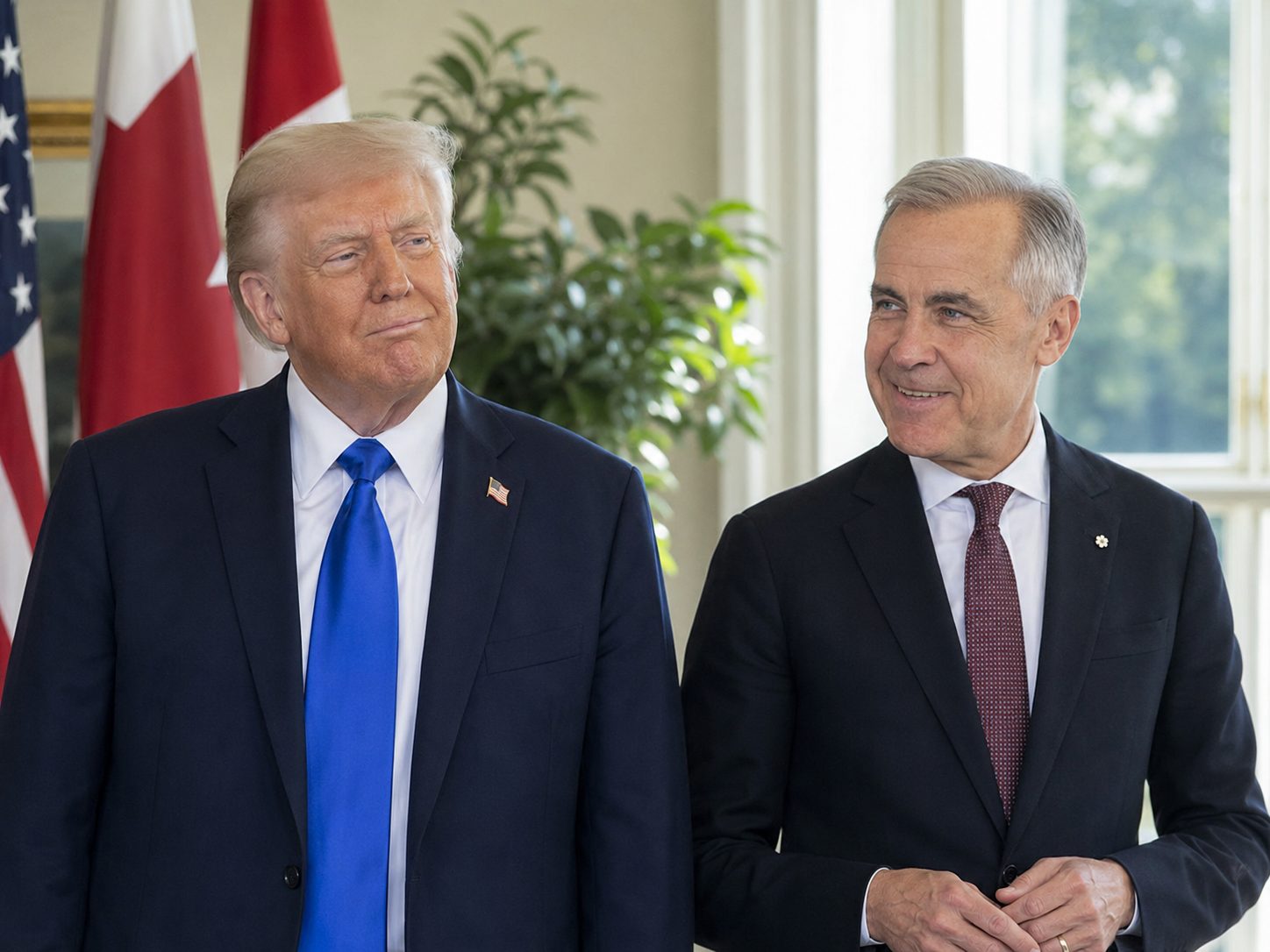
“I have decided to suspend trade negotiations with the U.S. and have directed Canada’s negotiators to return to Ottawa,” Carney announced in an official statement. He stated that while negotiators worked hard until the final moments, last-minute changes proposed by the American side were unfair, uneconomic, and undermined trust in a potential deal. He affirmed that Ottawa intends to retaliate “dollar for dollar.”
U.S. Cites Retaliation and Terms Disagreement
Giving the administration’s perspective, U.S. Trade Representative Jamieson Greer stated that talks broke down because Canadian officials declined to finalize the terms on the table. Greer asserted that the offered deal provided Canada the best treatment of any major exporter, but claimed Canadian demands and walk-backs upended the balance while Canada maintained its own retaliatory measures against U.S. goods and services.
Sources indicated that U.S. Commerce Secretary Howard Lutnick had raised objections to the proposed terms earlier in the week. Prior to the walkout, tentative terms under discussion involved lowering sectoral tariffs on Canadian steel, aluminum, and automobiles in exchange for Canadian premiers considering an end to provincial bans on American alcohol.
Tariffs Implemented Under Great Depression-Era Law
The White House enacted the 50 per cent duties using Section 338 of the U.S. Tariff Act, also known as the Smoot-Hawley Act. The Great Depression-era legislation permits the U.S. president to apply tariffs up to 50 per cent on nations deemed to discriminate against the American economy. Products that previously enjoyed exemptions under the Canada-United States-Mexico Agreement (CUSMA) are no longer exempt from these latest measures.
Asked how the two nations might resolve the tit-for-tat dispute, a senior Trump administration official remarked that escalation remained Canada’s choice, noting that additional options could be presented to the U.S. president if Canada follows through on counter-tariffs.
NATIONAL STORIES
Clock Ticks Toward Midnight Tariffs as Canada-U.S. Trade Talks Reach Critical Stage
Canada-U.S. trade talks continue in Washington as a deadline looms for $28 billion in proposed American tariffs affecting wine, honey, and other key goods.
Uncertainty Ahead of Wednesday Tariff Deadline
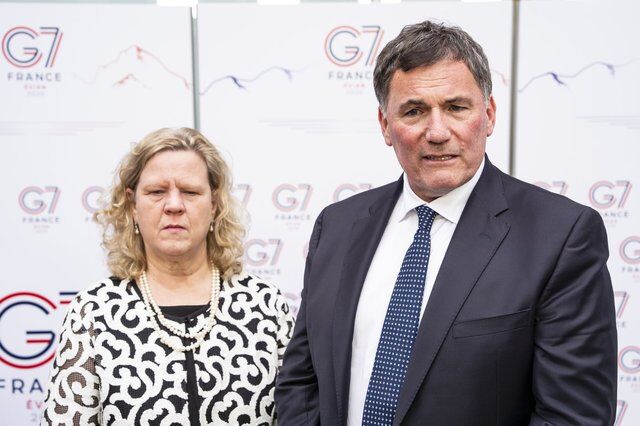
High-stakes trade negotiations in Washington ended on Monday without a deal, leaving Canadian industries facing a midnight deadline on Wednesday before a new round of American levies takes effect. Canada-U.S. Trade Minister Dominic LeBlanc stated that “our job is not yet done” as he departed a nearly two-hour meeting at the U.S. Commerce Department alongside chief trade negotiator Janice Charette, U.S. Trade Representative Jamieson Greer, and Commerce Secretary Howard Lutnick.
$28 Billion at Stake Across Multiple Sectors
The potential tariffs stem from a July 20 executive order signed by U.S. President Donald Trump, which threatens 50 per cent levies on roughly $28 billion worth of Canadian products, including wine, honey, cement, and hockey sticks. The Canadian Beekeepers Federation warned on Monday that the measures could cause domestic prices to crash and push farms toward bankruptcy, noting that up to 60 per cent of Canadian honey exports are bound for the American market.
The upcoming U.S. tariffs were introduced in response to existing Canadian trade friction points, including provincial bans on American alcohol, the supply-managed dairy sector, and quotas on certain U.S. vehicles. In response, Dairy Farmers of Canada cautioned against making dairy concessions, while Ontario Premier Doug Ford indicated a willingness to trade alcohol concessions for relief on hard-hit sectors like steel, aluminum, and lumber.
Federal Strategy and Cross-Party Support
Prime Minister Mark Carney expressed plans to speak directly with President Trump before Wednesday, stating that the federal government possesses a plan to cover all eventualities if the levies proceed. Carney noted he would highlight a recent $50-billion clean energy partnership between Quebec and Newfoundland and Labrador during the call. Domestically, Conservative critic Shuvaloy Majumdar backed the national effort, describing the proposed tariffs as unjustified and illegal while calling for a strong result at the negotiating table.
Step Inside B.C.’s Legislative Library: A Hidden Gem Holding Centuries of History
What to Know About Canada’s Plan to Counter 50 Per Cent U.S. Tariffs Next Month
Police Seek Witnesses One Year After Body Found in Burned Vehicle Near Kamloops
Anti-Gang Police Seize Drugs and Weapons After Shifting Focus to Help Penticton Wildfire Evacuations
The week ahead in West Coast: Mon 24 — Sun 30 August
Why two B.C. MLAs are stepping away to build a new option for ‘politically homeless’ voters

Opinion: John Rustad Has to Go

B.C. Supreme Court Grants Cowichan Tribes Title to Historic Richmond Lands and Fishing Rights

Vancouver Canucks Gear Up for a Make-or-Break 2025–26 Season

Kamloops Blazers Announce Off-Season Changes Ahead of 2025–26 Season

BC Ferries Sparks Outcry Over Contract with Chinese Shipyard

A Taste of Autumn: Fall Okanagan Wine Festival 2025
-

 BC STORIES6 days ago
A 1970 Orca Escape Led to 13 Wild Calves — Now an Author Is Searching for the Person Who Freed Them
-
 NATIONAL STORIES2 days ago
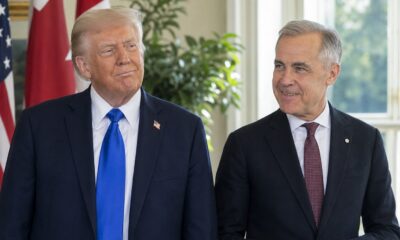
Carney’s Exit From U.S. Trade Talks Leaves Canadian Exporters Facing 50% Duties
-
BC STORIES2 days ago
Road Closure in Prince George Following Fatal Emergency Plane Landing
-
BC STORIES2 days ago
Shift toward populist direction fuels tension and departures in B.C. Conservative Party
-

 LOCAL10 hours ago
Thunderstorms Leave Four Out-of-Control Wildfires Burning Near Tulameen
-
BC STORIES10 hours ago
What the Canada-U.S. Trade Breakout Means for B.C. Consumers and Businesses
-
COMMUNITY6 hours ago
The week ahead in West Coast: Mon 24 — Sun 30 August
-
LOCAL8 hours ago
Why B.C. Lions Fans Are Celebrating After Four Straight Wins at BC Place