POLITICS
Thousands of B.C. Patients Leave ERs Without Treatment, Report Finds


143,000 Patients Left ERs in 2024
A report from the Montreal Economic Institute reveals that an estimated 143,000 patients left ERs in British Columbia untreated in 2024. This includes hospitals across Vancouver Island, such as Victoria General and Nanaimo Regional, which continue to face growing pressure on emergency care.
Why Patients Walk Out
The study found that 5.5% of ER visitors in B.C. left without care, slightly better than the national average of 7.8%. Common reasons included:
- Excessive wait times in over-capacity hospitals
- Limited urgent care centres on the Island
- Challenges accessing family doctors
- Staffing shortages among nurses and ER physicians
Vancouver Island Impact
Health advocates warn that Island communities, especially Victoria, Nanaimo, and smaller coastal towns, may be particularly vulnerable. Seniors and rural residents face added risks when they cannot receive timely emergency treatment.
Province Responds, Experts Push for More
The B.C. government has pledged to expand urgent care and improve access to family physicians. However, experts stress that system-wide reforms will be needed to restore confidence in ER services and prevent future walkouts on the West Coast and across the province.
Publisher: West Coast Current


NATIONAL STORIES
What to Know About Canada’s Plan to Counter 50 Per Cent U.S. Tariffs Next Month
Prime Minister Mark Carney says Canada will match 50% U.S. tariffs dollar-for-dollar starting Sept. 8 after cross-border trade negotiations broke down.

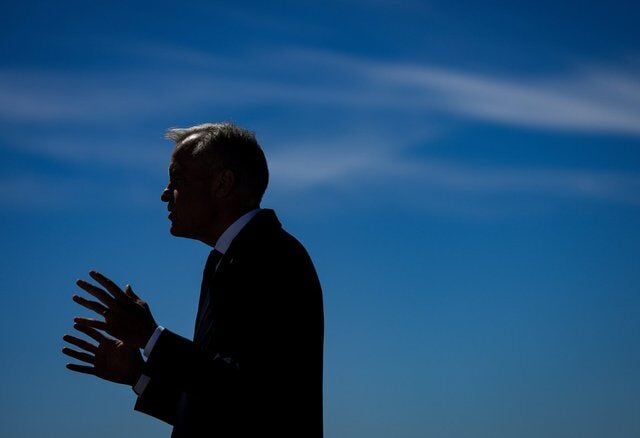
Ottawa Rejects ‘Bad Deal’ as Trade War Escalates
Prime Minister Mark Carney announced Saturday that Canada will levy dollar-for-dollar counter-tariffs against the United States beginning Sept. 8, following the collapse of cross-border trade negotiations.
The move comes after Washington imposed 50 per cent tariffs on $28 billion worth of Canadian products on Saturday. The duties target items ranging from dairy, honey, and essential oils to hockey sticks. Carney suspended talks late Friday, recalling Canadian negotiators from Washington after deeming the proposed terms unacceptable.
Carney stated that late-stage American demands attempted to restrict Canada’s ability to enter independent trade agreements with other nations, which he described as an unacceptable power play that threatened national sovereignty. Additionally, he noted the U.S. sought to alter protections for Canadian language and culture while offering specific tariff relief for certain vehicles, including Ford trucks.
Dollar-for-Dollar Retaliation Planned for September
The Canadian countermeasures are scheduled to take effect the day after Labour Day. Carney confirmed the retaliatory duties will target key American industries, including steel, electronics, dairy, pulp and paper, agricultural equipment, and household appliances. Detailed plans for business support and specific tariff breakdowns are expected in the coming days.
Carney acknowledged that the decision was taken reluctantly, noting that while the measures will inevitably raise costs and restrict choices for Canadian consumers, standing up to the U.S. position remains necessary for the country’s economic interest.
U.S. Blames Ottawa for Broken Negotiations
U.S. Trade Representative Jamieson Greer blamed Canadian negotiators for the breakdown, asserting that Ottawa pulled back from earlier commitments. Greer told reporters the U.S. had offered substantial tariff relief on steel, aluminum, autos, and lumber in exchange for Canadian concessions.
Greer later told Fox News that no further talks are currently scheduled and indicated Washington would move forward with its response to Canadian countermeasures. The Trump administration previously chose not to extend the CUSMA agreement in July, triggering a rolling annual review process. While Mexico and the U.S. have initiated formal CUSMA talks, Canada and the U.S. have yet to begin.
Provincial Leaders Call for Unity
Addressing reporters on Saturday, Ontario Premier Doug Ford offered full backing to the prime minister, urging all provincial leaders to remain united behind a coordinated national stance. Ford criticized the U.S. administration’s negotiating tactics, noting that workers and industry representatives in Ontario’s auto and steel sectors agreed the rejected offer was inadequate.
In a letter sent to the prime minister earlier in the week, Ford urged Ottawa to consider targeting imports from specific U.S. states supporting the current administration, including Texas, Florida, Wisconsin, and Iowa. Ford also suggested leveraging critical minerals, energy, and electricity in negotiations. However, Carney expressed reluctance to use energy exports as leverage, citing the importance of maintaining Canada’s standing as a dependable supplier.
BC STORIES
Why two B.C. MLAs are stepping away to build a new option for ‘politically homeless’ voters
MLAs Ian Paton and Peter Milobar leave the B.C. Conservatives to form a new party aimed at voters feeling politically homeless after leadership disputes.

MLAs announce split on legislature steps
Delta South MLA Ian Paton and Kamloops Centre MLA Peter Milobar are teaming up to establish a new political party in the coming weeks. Announcing the decision Monday morning on the steps of the B.C. legislature, Paton confirmed he is leaving the Conservative Party of B.C. caucus to sit as an Independent. According to reporting from the Vernon Morning Star and Penticton Western News, Milobar will serve as the interim leader of the new organization.
Dissatisfaction with party leadership
The departure follows internal tension after Kerry-Lynne Findlay won the B.C. Conservative leadership race in May. Because Findlay remains without a seat in the legislature, she requested that at least three sitting MLAs step aside so she could run in a byelection, a request Paton declined. Abbotsford-Mission MLA Reann Gasper announced Saturday that she would step down for Findlay, though a byelection date has not been set. Paton revealed that Findlay offered him an advisory role on agriculture if he relinquished his riding, and that he subsequently resigned from his appointed position as Lower Mainland lieutenant.
Paton cited severe dissatisfaction with party management under Findlay, noting that communications staff attempted to prevent reporters from contacting him directly regarding his agriculture critic portfolio. Comparing the situation to professional hockey players adapting to an unworkable management change, he remarked, “Maybe the new coach isn’t quite working out for us.”
Aiming to offer a fresh alternative
Milobar, who recently resigned from the Conservative caucus, indicated that additional party defections may follow. Both politicians expressed a desire to represent citizens who feel left behind by current options, arguing that ten years of B.C. NDP governance has left the province in “disarray” and that they cannot let the opportunity for change “slip on by.” Their goal is to build a distinct political home for those who currently feel “politically homeless.”
BC STORIES
What the Canada-U.S. Trade Breakout Means for B.C. Consumers and Businesses
B.C. Premier David Eby and PM Mark Carney respond as Canada-U.S. trade talks collapse, triggering dollar-for-dollar retaliatory tariffs after Labour Day.

Canadian Counter-Tariffs Set to Hit U.S. Goods After Labour Day
Canada plans to respond dollar-for-dollar against upcoming American tariffs starting the Tuesday following Labour Day, following the breakdown of bilateral trade negotiations. Prime Minister Mark Carney announced late Friday that Canadian retaliatory tariffs will target imported steel, electronics, appliances, agricultural equipment, pulp and paper, and dairy products. The federal measures will also encompass goods currently subject to what Ottawa termed “unjustified Section 232 and 338 tariffs.”
Carney stated that federal negotiators spent over a year working in good faith toward a comprehensive deal to maintain tariff-free access for Canadian companies and reduce trade barriers in strategic sectors. However, Carney explained that Canada walked away because the American side “asked too much and offered too little,” while continually shifting its justifications to topics including fentanyl, tech taxes, aircraft certifications, bridge toll sharing, dairy policy, and provincial bans on U.S. alcohol.
B.C. Maintains Ban on U.S. Alcohol Sales
Speaking Saturday in Vancouver, B.C. Premier David Eby assured residents that the nation will stand firm despite the collapse of talks. Eby labeled the incoming 50-per-cent U.S. tariffs—originally signed by U.S. President Donald Trump on July 20 under three White House proclamations—as “inexplicable and indefensible.” Addressing local impacts, Eby confirmed that American alcohol products will remain off B.C. Liquor Store shelves. The province’s refusal to retail U.S. alcohol has served as a central point of contention for Washington since the initial tariff announcements.
Premier Questions U.S. Reliability in Trade Talks
Eby expressed doubt over calling the recent discussions a true negotiation, stating the current U.S. administration “cannot be trusted” and offering no assurance that any signed agreement would endure. Aligning with federal strategy, Eby emphasized that “no deal is better than a bad deal.” Outlet reporting from Tofino-Ucluelet Westerly News, Kelowna Capital News, Vernon Morning Star, and Penticton Western News also highlighted Premier Eby’s firm stance that U.S. alcohol will not return to B.C. Liquor Store shelves.
Step Inside B.C.’s Legislative Library: A Hidden Gem Holding Centuries of History
What to Know About Canada’s Plan to Counter 50 Per Cent U.S. Tariffs Next Month
Police Seek Witnesses One Year After Body Found in Burned Vehicle Near Kamloops
Anti-Gang Police Seize Drugs and Weapons After Shifting Focus to Help Penticton Wildfire Evacuations
The week ahead in West Coast: Mon 24 — Sun 30 August
Why two B.C. MLAs are stepping away to build a new option for ‘politically homeless’ voters

Opinion: John Rustad Has to Go

B.C. Supreme Court Grants Cowichan Tribes Title to Historic Richmond Lands and Fishing Rights

Vancouver Canucks Gear Up for a Make-or-Break 2025–26 Season

Kamloops Blazers Announce Off-Season Changes Ahead of 2025–26 Season

BC Ferries Sparks Outcry Over Contract with Chinese Shipyard

A Taste of Autumn: Fall Okanagan Wine Festival 2025
-
 BC STORIES7 days ago
A 1970 Orca Escape Led to 13 Wild Calves — Now an Author Is Searching for the Person Who Freed Them
-
 NATIONAL STORIES3 days ago
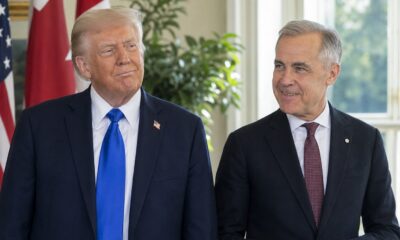
Carney’s Exit From U.S. Trade Talks Leaves Canadian Exporters Facing 50% Duties
-
BC STORIES3 days ago
Road Closure in Prince George Following Fatal Emergency Plane Landing
-
BC STORIES3 days ago
Shift toward populist direction fuels tension and departures in B.C. Conservative Party
-
 LOCAL1 day ago
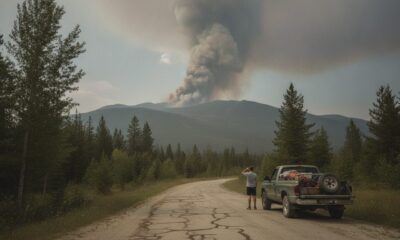
Thunderstorms Leave Four Out-of-Control Wildfires Burning Near Tulameen
-
COMMUNITY21 hours ago
The week ahead in West Coast: Mon 24 — Sun 30 August
-
BC STORIES1 day ago
What the Canada-U.S. Trade Breakout Means for B.C. Consumers and Businesses
-
BC STORIES21 hours ago
Why two B.C. MLAs are stepping away to build a new option for ‘politically homeless’ voters